Boston Harbor, A Teapot Tonight!
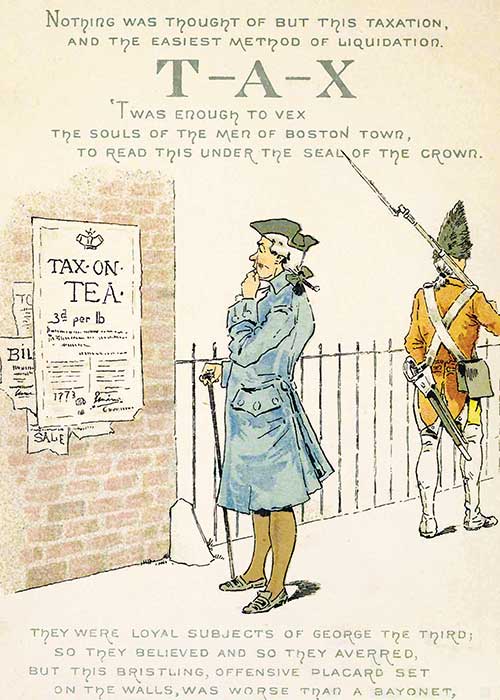
On December 16, 1773, the eve of the 20-day deadline to offload the first of the three ships, Old South Church was again overflowing with patriotic zeal. It was, to date, the largest town meeting in the city’s history. A committee of townspeople had delivered a message to the governor demanding that the Dartmouth be allowed to return to London with its cargo of East India Company tea. Governor Hutchinson, whose merchant sons were to receive the tea, sent word that he refused the demand.
Following many impassioned speeches, John Adams eventually rose to say, “This meeting can do nothing more to save this country.” A man shouted from the gallery, “Boston Harbor, a teapot tonight!” Within minutes, a well-organized band of over 100 men, some as young as 13 and 15, and all disguised as Mohawks, made their way to Griffin’s Wharf, intending to dispatch the tea into the waves.
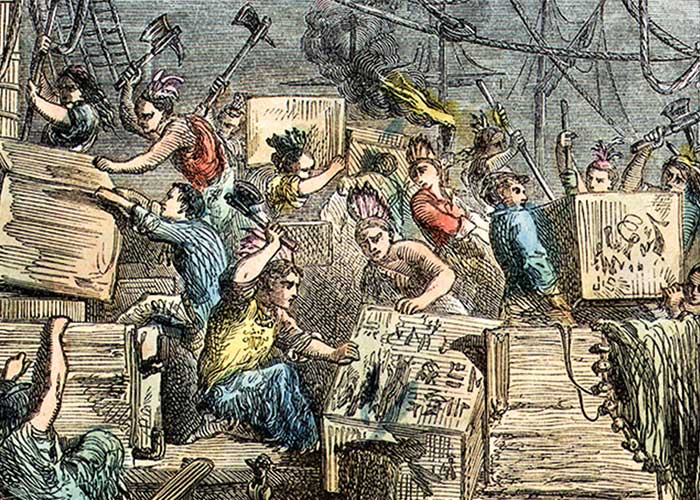
The frightened captains handed over the keys to the cargo hatches of all three ships. Within hours, 340 chests of tea were hoisted from the holds onto the decks, where they were methodically smashed open, and the contents dumped overboard into the shallow low-tide waters of Boston Harbor. The quantity of loose green and black tea was so great that it piled up alongside the ships like great haystacks, which had to be raked into the water. The tea leaves floated on the surface while several rebels rowed small boats into the drink and beat the tea with their oars, eventually causing it to sink below the waves.
All that expensive tea tossed about could have been an enormous temptation to some. Great care was taken to ensure the disciplined intent of the protestors. Those involved were ordered to empty their boots and pockets to ensure none of King George’s tainted tea would reach colonial teapots. Theirs was an act of political defiance and not common looting.
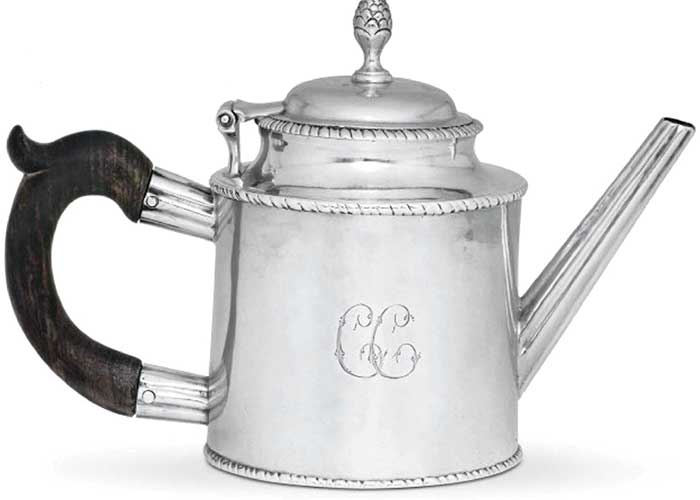
By nine o’clock on the night of December 16, 1773, the Boston tea rebellion was over. The patriots slipped back into their homes without boasting of their presence during the treasonous act. One of the rebels in the crowd was William Melville, whose grandson would write, some years later, a whale of a book about another colorful maritime adventure.
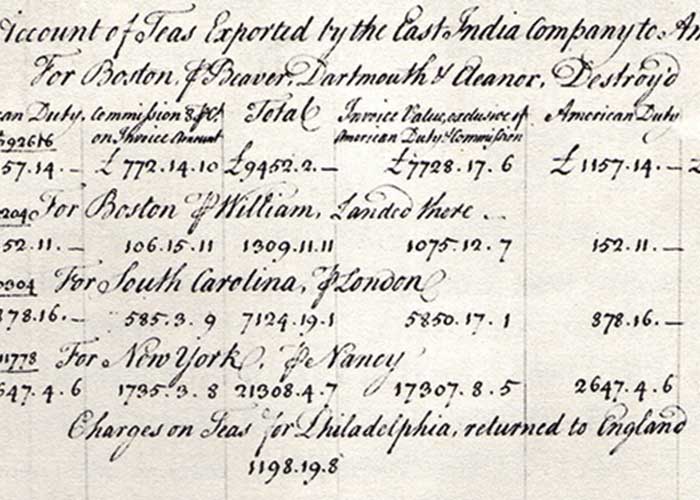
As the last clouds of tea dust settled on Boston Harbor, the captains of the Dartmouth, Eleanor, and Beaver tallied the losses they would report to the officials of the East India Company upon their return to London. Their ships were unharmed, but the quantities of tea destroyed totaled 240 chests of Bohea black tea from the Wuyi Mountains of Fujian, 60 chests of Singlo green tea, 15 chests of expensive Hyson green tea, 15 chests of well-made Congou black tea, and 10 chests of Souchong black tea. The total value of the 340 chests of teas, duties, and other fees came to nearly £10,000—valued at over $1 million in today’s currency.
Ever the notetaker, John Adams recorded the evening’s events in his diary: “There is a Dignity, a Majesty, a Sublimity, in this last Effort of the Patriots, that I greatly admire.”
Back in London, George III would forever be known as the king who lost the riches of his greatest colony over a simple cup of tea.