A lens for understanding domestic values of an era
Text by Bruce Richardson
Under certain circumstances, there are few hours in life more agreeable than the hour dedicated to the ceremony known as afternoon tea,” Henry James declares in the opening of The Portrait of a Lady. “From five o’clock to eight is on certain occasions a little eternity, but on such an occasion as this, the interval could be only an eternity of pleasure.”
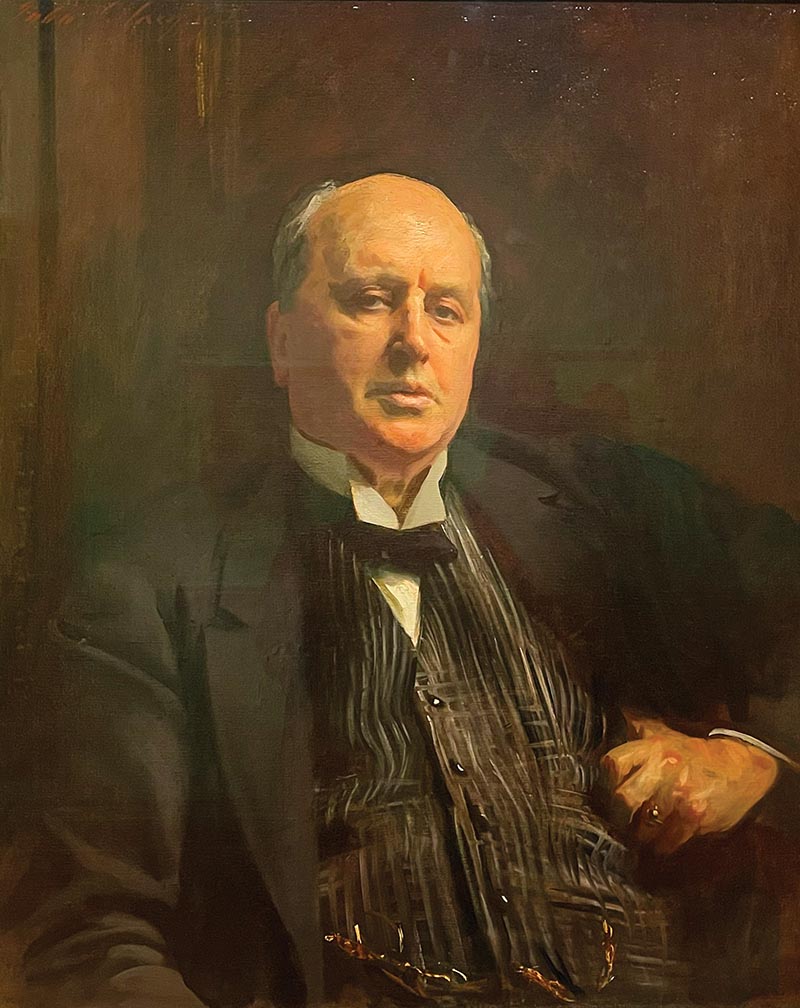
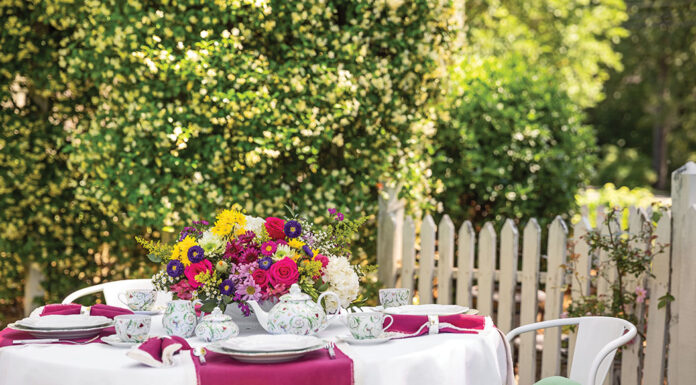
James immediately creates a familiar setting in the minds of his Victorian readers, who know the ritual of afternoon tea on the lawn of an English estate well. Never mind that he was born in lower Manhattan; he would later make his home in the East Sussex village of Rye after consuming countless cups of British tea.
In the previous century, writers of the Regency period also wove their narratives around the tea table. This feminine tea ritual, far from being a mere beverage, served as a potent catalyst for social interactions, particularly between the sexes. A closer look at the works of three renowned British authors of the 1800s reveals that tea drinking was not just a pastime but a lens through which we gaze and understand the domestic values of the era.