
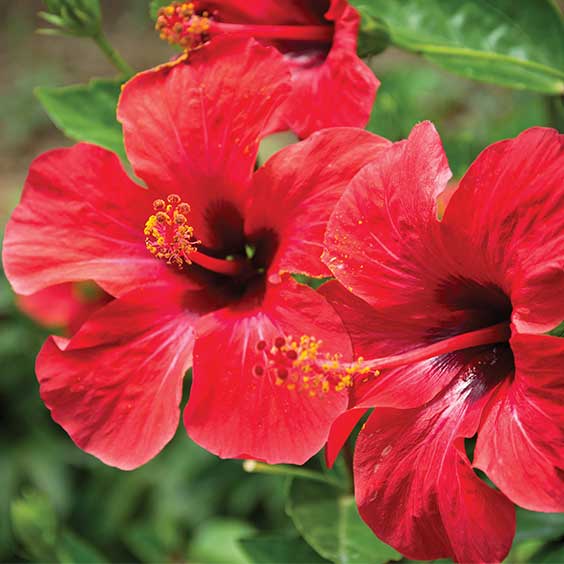
Hibiscus (Hibiscus sabdariffa)
Hibiscus cools the body and aids in eliminating excess fluid. It is both nourishing and soothing to bodily tissues and has mild antimicrobial action. It’s often added to tea for the tart, citrus-like flavor and beautiful pink infusion. Many herbal tisanes use hibiscus as a base to build blends that are either fruity or citrus-like in flavor. A little bit can go a long way, though, so start with small amounts and add until you get the taste you desire.
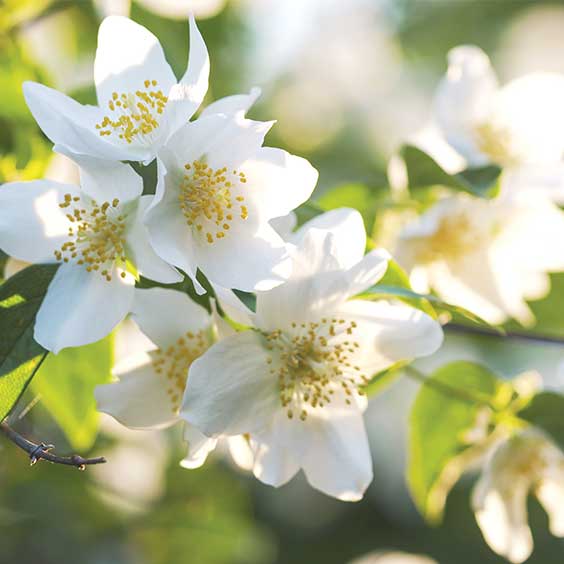
Jasmine (Jasminum spp)
Jasmine is one of the most beloved of flowers for scenting and decorating teas. As a member of Oleaceae (the olive plant family), it has a sweet and aromatic essence that imparts a delicious and exotic element to a tea base. Used in almost all types of tea, jasmine can scent the tea, or the flowers can be left in the tea as decoration. In general, it is believed that a finer jasmine tea will not contain any flowers but will have been scented by being layered on screens alternately with green or white tea. The fresh blossoms are allowed to scent the tea until they wilt, and then they are replaced with fresh flowers. Top-quality jasmine teas usually go through this process at least seven times in order to receive a premium designation.
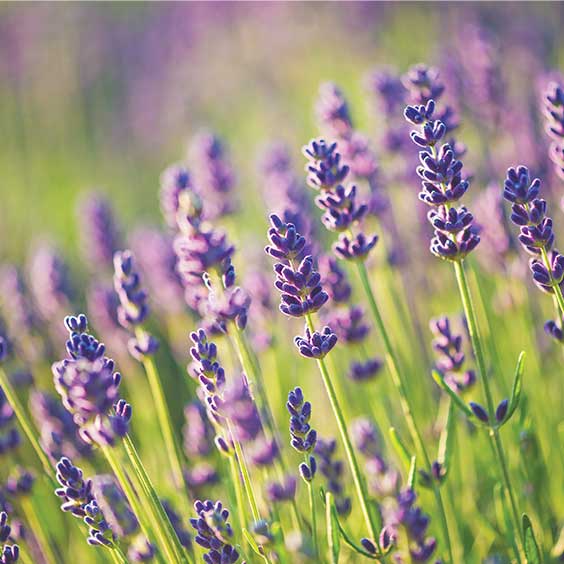
Lavender (Lavendula officinale)
Lavender is a delightfully aromatic flower that soothes anxiety, promotes relaxation, and alleviates depression. It has been used to offer relief from headache pain and is highly antimicrobial when used both internally and externally. The beloved floral aroma can become a bit soapy when used in tea and food, so use sparingly and increase the amount carefully to get the flavor you want. Growing your own lavender is your best option, as much lavender on the market has lost most of its aromatic and volatile oils. You can tell if the small lavender blossoms look brown that they may be past their prime. Like all flowers used in floral crafts and the floral industry, be careful that any lavender you use for teas is organic.
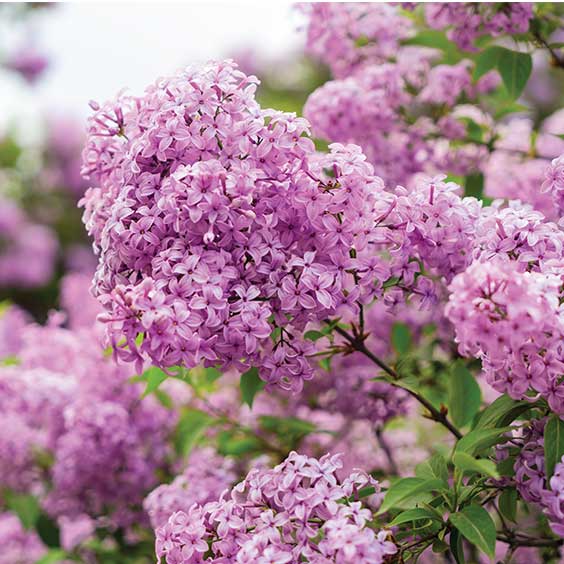
Lilac (Syringa spp.)
Lilac has one of most aromatic petals, and its lovely scent heralds the coming of the spring. These delicate, lilac blossoms are perfect for scenting a white or green tea, using the time-tested method of layering the blossom with the tea and allowing it to soak up the aromatics of the flower. Lilac is usually not left in the tea blend, as the petals, when steeped, can impart a somewhat bitter note. A lilac-scented tea can be decorated instead with pink or purple cornflowers for visual appeal.



Lovely photos Sara , and interesting information. Nice article.
great