Adding beauty and flavor to afternoon tea
Text and Recipe Development by Elizabeth Escobedo • Photography by Lisa Phelan Photography • Styling by Madeleine Isabella Huh
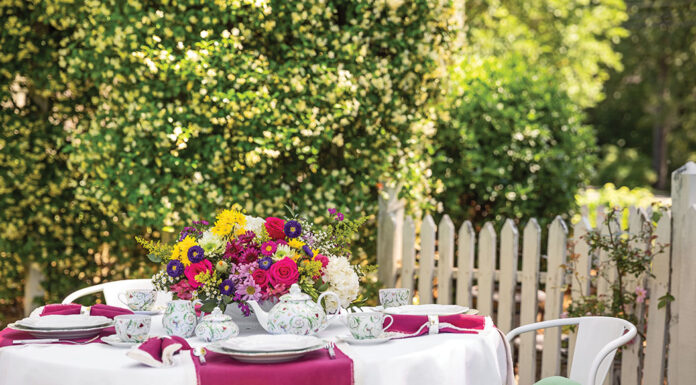
Roses add elegance to the table in lovely arrangements and invite us to afternoon tea with their sweet perfume. But they’re not just pretty petals, they are edible plants that can elevate your teatime cuisine with their subtle and unique flavors.
Though preparing and adorning foods with roses is gaining widespread popularity in fine restaurants and tearooms, cooking with this timeless flower dates back centuries. The Greeks, Romans, and Persians used roses to infuse oils and made rose water for a variety of sweet and savory dishes. Victorians added a flair of elegance and refinement to their afternoon teas with candied petals that graced their lavish desserts.
Even though roses have diverse applications, most of us plant them in our gardens with the single focus of using them in floral displays. Yet, roses are a beautiful edible landscape that can double as both décor and ingredients in your teatime spreads.
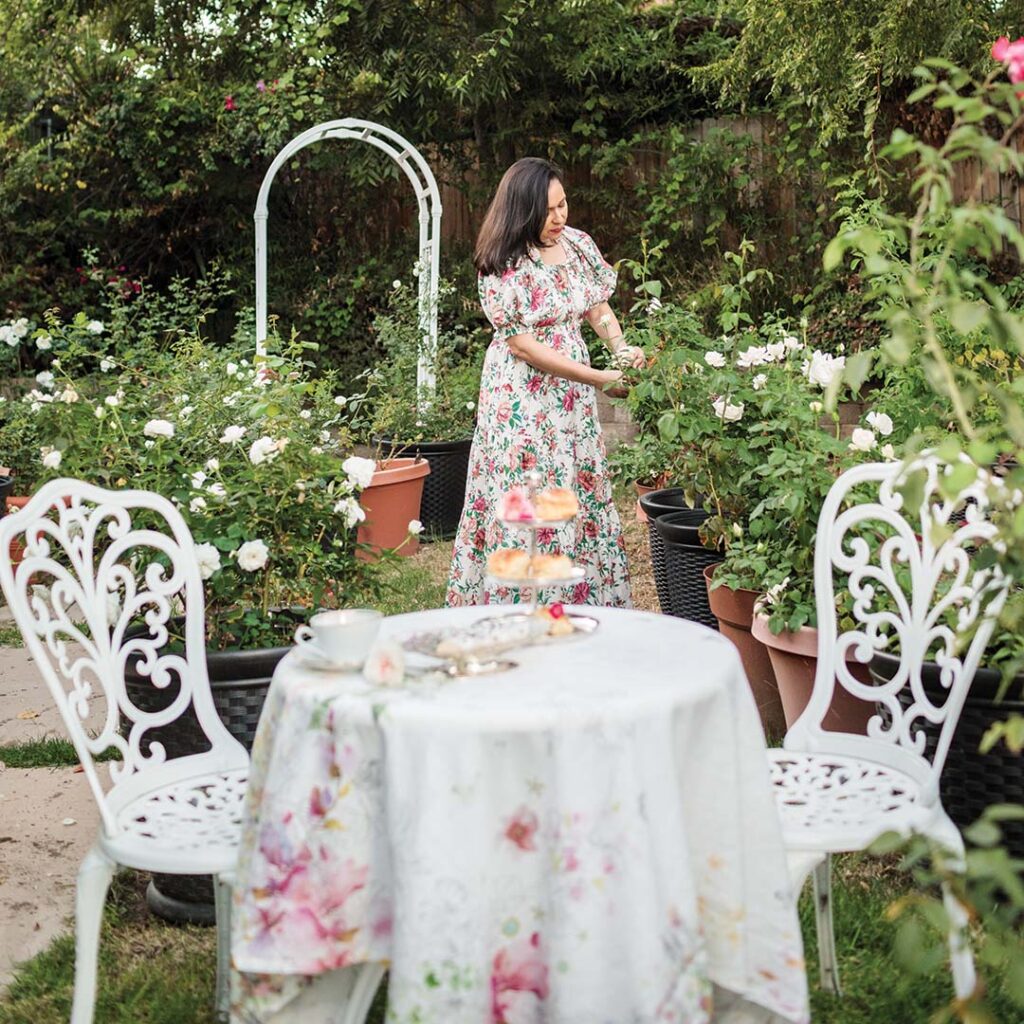 Identifying Fragrance Categories of Edible Roses
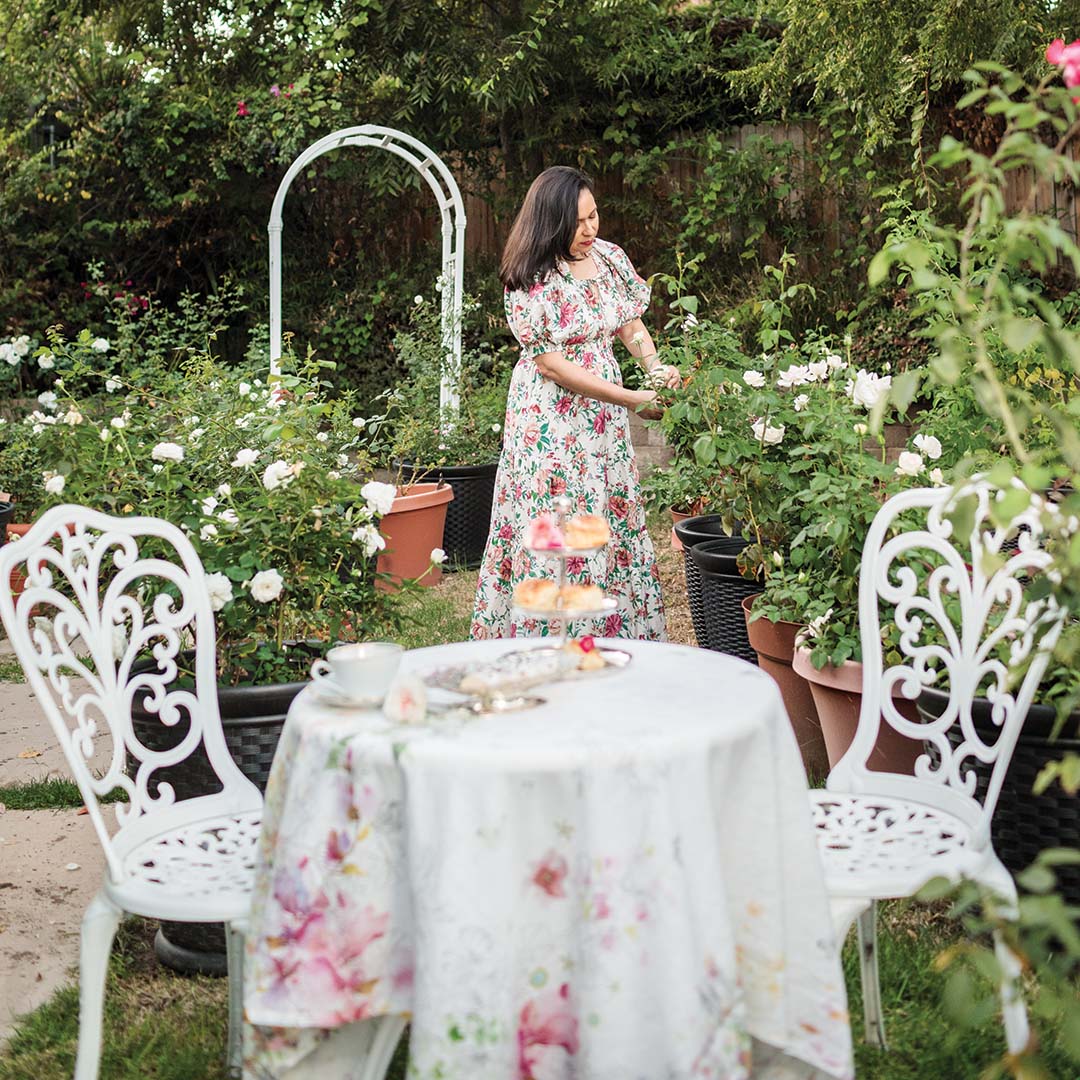
All organically grown roses are edible, and any variety of rose can be used in cooking. However, not all roses are flavorful—they must be fragrant to be able to impart taste to foods. Roses vary in fragrance intensity from strong, medium, and light to none, depending on the cultivar. There are distinct rose scents, and smelling them can be as complex as discerning the aromas of fine wines. Roses can be divided into five fragrance categories: Old Rose, Fruity, Tea, Myrrh, and Musk. Old Rose is a classic rose fragrance reminiscent of rose perfumes typically found in red and pink roses. Fruity is bright and uplifting, and the scent ranges from zesty citrus to sweet berries to exotic fruits. Tea—frequently appearing in apricot and yellow roses—smells of fresh tea leaves with undertones of violets and spices. Myrrh is a distinctive spicy scent with the fragrance of anise and the medicinal character of licorice. Finally, Musk has warm, sweet, and spicy notes, with a hint of cloves.
Selecting Your Edible Roses
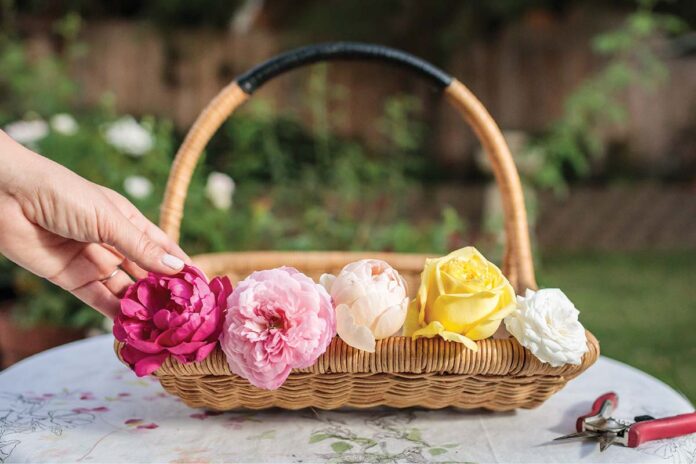
When selecting roses for cooking, let your nose be your guide and choose roses that appeal to your senses. With more than a hundred species of roses and thousands more cultivars, you can easily find a rose for any climate and gardening experience. Check your gardening zone and make sure the roses you select can thrive in your climate. Pick roses that produce aromatic, disease-resistant plants bred for repeat flowering. Some roses bloom only once a season, and you must keep that in mind when planning your garden. Also, since we eat with our eyes first, think about color. Red and pink rose petals dry brighter, and peach- and apricot-colored roses can impart an amber color to dishes. Finally, consider your space and inquire whether roses can be grown as shrubs, climbers, or ramblers and whether they are suitable for pots, which many are.
Growing Your Roses
Roses have the reputation of being hard to grow. This is probably because they do require regular care and more time and attention than average landscape plants. But with the joy that roses bring and a little planning, the tasks can be spread throughout the season. First and foremost, edible roses should be grown away from roads, railroads, or power lines, where they can become contaminated. Plant them in an area with good air circulation and where they can get at least 6 to 8 hours of sunshine daily, especially morning sun, which dries the leaves and helps prevent disease. Feed your roses only organic and natural fertilizers, such as fish and alfalfa meal, and use only natural garden insect sprays. With planned routine pruning and a good watering schedule, your roses should give you plenty of blooms to delight both your garden and plate.
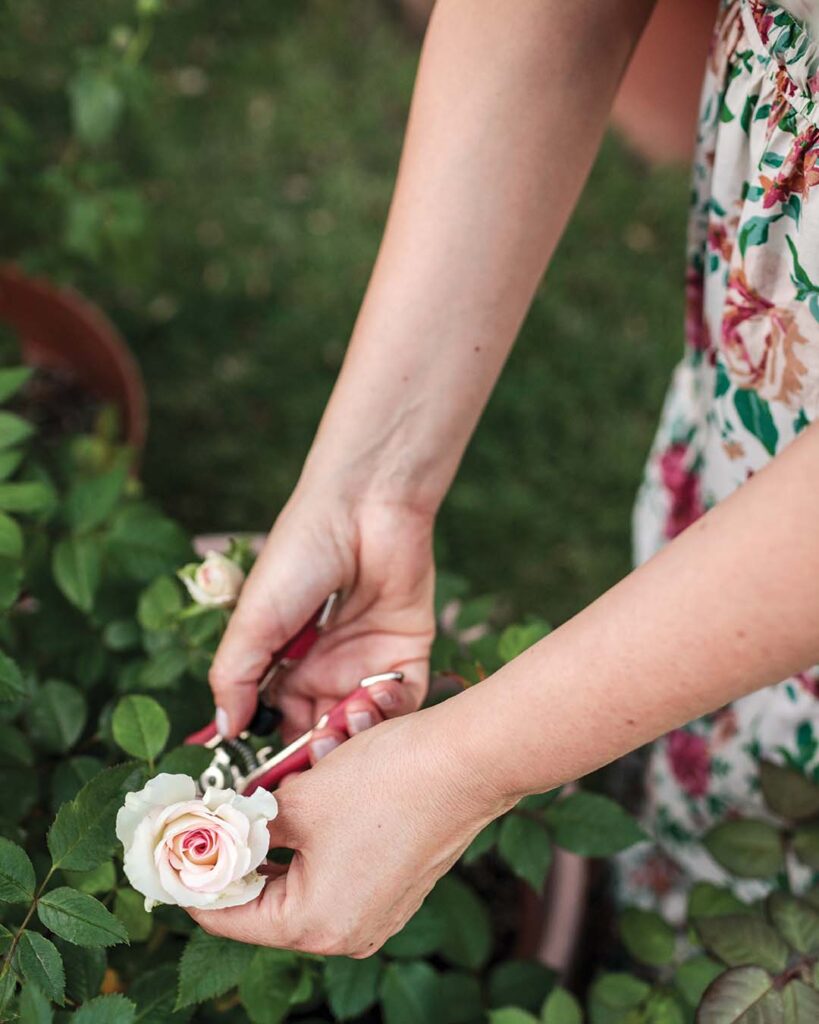 Harvesting Your Roses
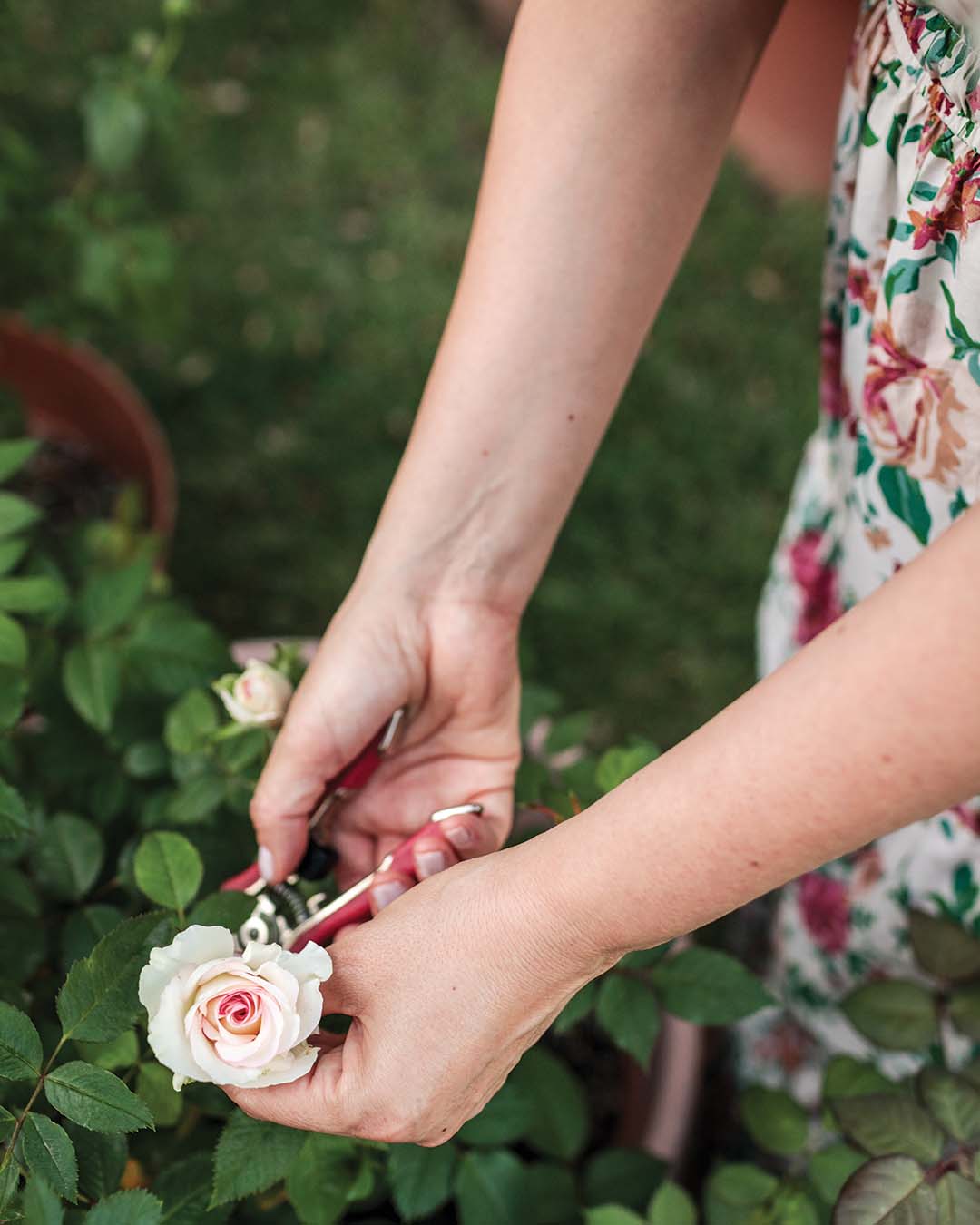
The best time to pick roses is early to midmorning, after the morning dew has evaporated but before the heat of the sun reduces their oils. Choose roses that are just starting to open and cut stems at an angle to promote regrowth. Remove the stem and the leaves and cup the rose in your hand, bunching the petals together. Using sharp scissors, carefully cut the white portion at the bottom of the flower petals, known as the heel of the rose, as it can impart a bitter taste. Shake the petals in a strainer to remove any dust, pollen, or insects and discard any damaged petals. If you wish, you can gently pat the petals with a damp cloth to clean them or even gently rinse them in cool water and lay them on a paper towel to dry completely.
Drying Rose Petals for Cooking
Drying rose petals allows you to enjoy their beauty and fragrance long after the bloom has faded. These are the two easy methods to dry your petals:
Air drying is a traditional method that involves spreading the petals in a single layer on a clean, dry surface such as a mesh screen or paper towel. Place them in a well-ventilated area away from direct sunlight and turn the petals occasionally to ensure even drying. This method can take several days, depending on your climate, but retains the petals’ natural color and fragrance and doesn’t require special equipment.
The second method uses a food dehydrator and is a quick and efficient way to dry rose petals. Line the trays of a dehydrator with parchment paper. Arrange the petals in a single layer, making sure they do not overlap. Set the dehydrator to its lowest temperature setting, usually around 95°F. Check the petals regularly, and within a few hours, they should be crisp and dry. When your petals are completely dry, store them in a sealed container in a cool, dark place and use them preferably within six months, while they are still colorful and fragrant.
Cooking with Your Roses
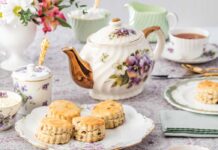
The possibilities for cooking with roses are as endless as your imagination. Fresh and dried petals can be used in both sweet and savory applications. Rose petals can be steeped in hot water to make a delicate rose infusion or incorporated into tea or herbal infusion blends for added flavor and complexity. I like to use dried rose petals in chai and matcha lattes. Rose petals can add a subtle floral taste to lemonades, iced tea, and cocktails. You can use fresh roses and petals to decorate cakes and pastries, add them to sauces and frostings, or freeze them in ice cubes for decorative drinks. Although there are many ways to use your roses, my favorite is to use them fresh in rose butter, dry in a finishing salt, or in an infused baking sugar as a flavorful accent to my teatime scones, sweets, and tea sandwiches.
Elizabeth Escobedo is a tea sommelier, herbs and infusions expert, and founder of Elizabella Tea & Co. She teaches the Herbs and Infusions Masterclass for the UK Tea Academy and is passionate about bridging the world of tea and botanicals in fresh and unique ways. She lives in Southern California, where she enjoys year-round sunshine and celebrates gardening and growing roses.
Rose Petal & Vanilla Butter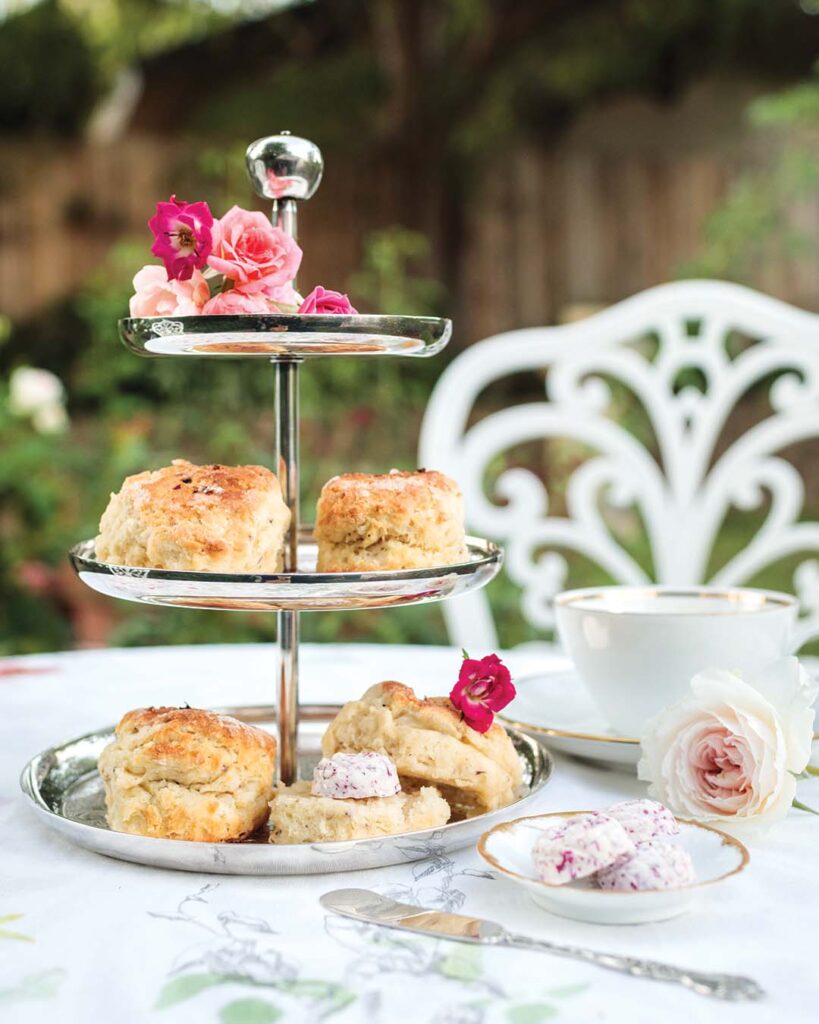
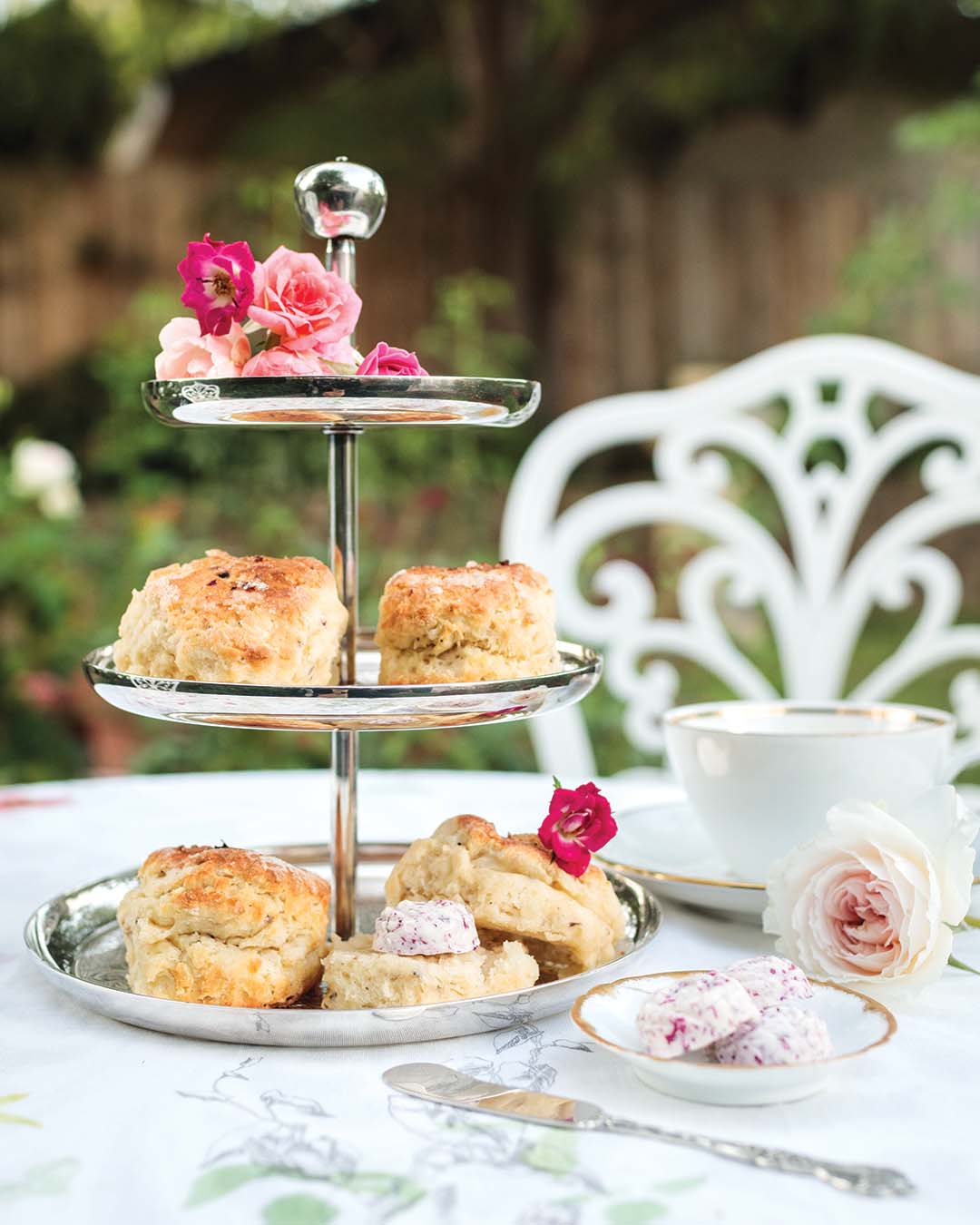
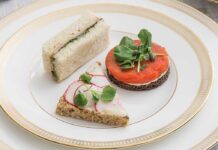
This easy rose butter is wonderful on scones or toast with jam and your favorite cup of tea. Spread rose butter on bread cut into attractive shapes, top with sliced strawberries, and sprinkle with rose petal sugar to make lovely tea sandwiches.
- 1 to 2 fragrant pink or red organically grown roses, cleaned and finely chopped
- 4 ounces butter, room temperature
- 1 teaspoon confectioners’ sugar
- ¼ teaspoon vanilla extract
- In a glass bowl, stir together rose petals and butter until well blended. Stir in confectioners’ sugar and vanilla extract until incorporated.
- Pack butter into a silicone rose mold for shaped butter or into a ramekin. Refrigerate until ready to serve and use within a week. (Alternatively, place the butter on parchment paper and roll into a 1-inch-diameter log. Wrap butter log in plastic wrap, and refrigerate until needed.) For longer storage, place wrapped butter in a freezer bag or airtight container, and use within 3 months.
Rose Petal Sugar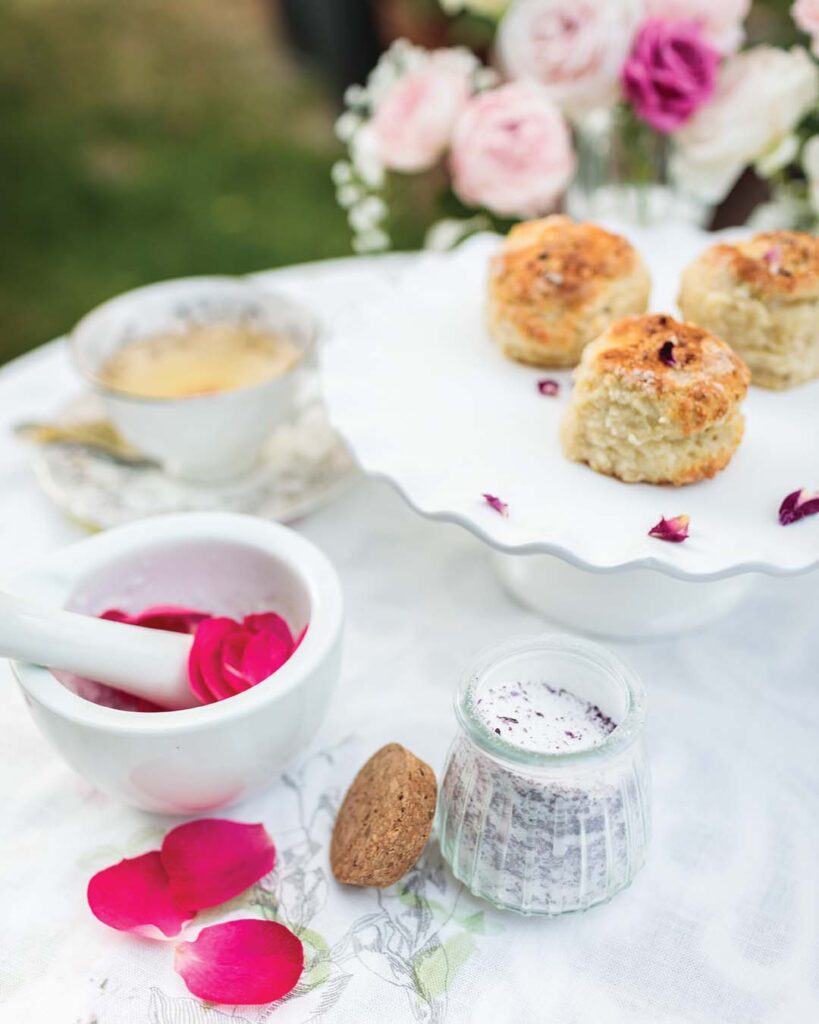
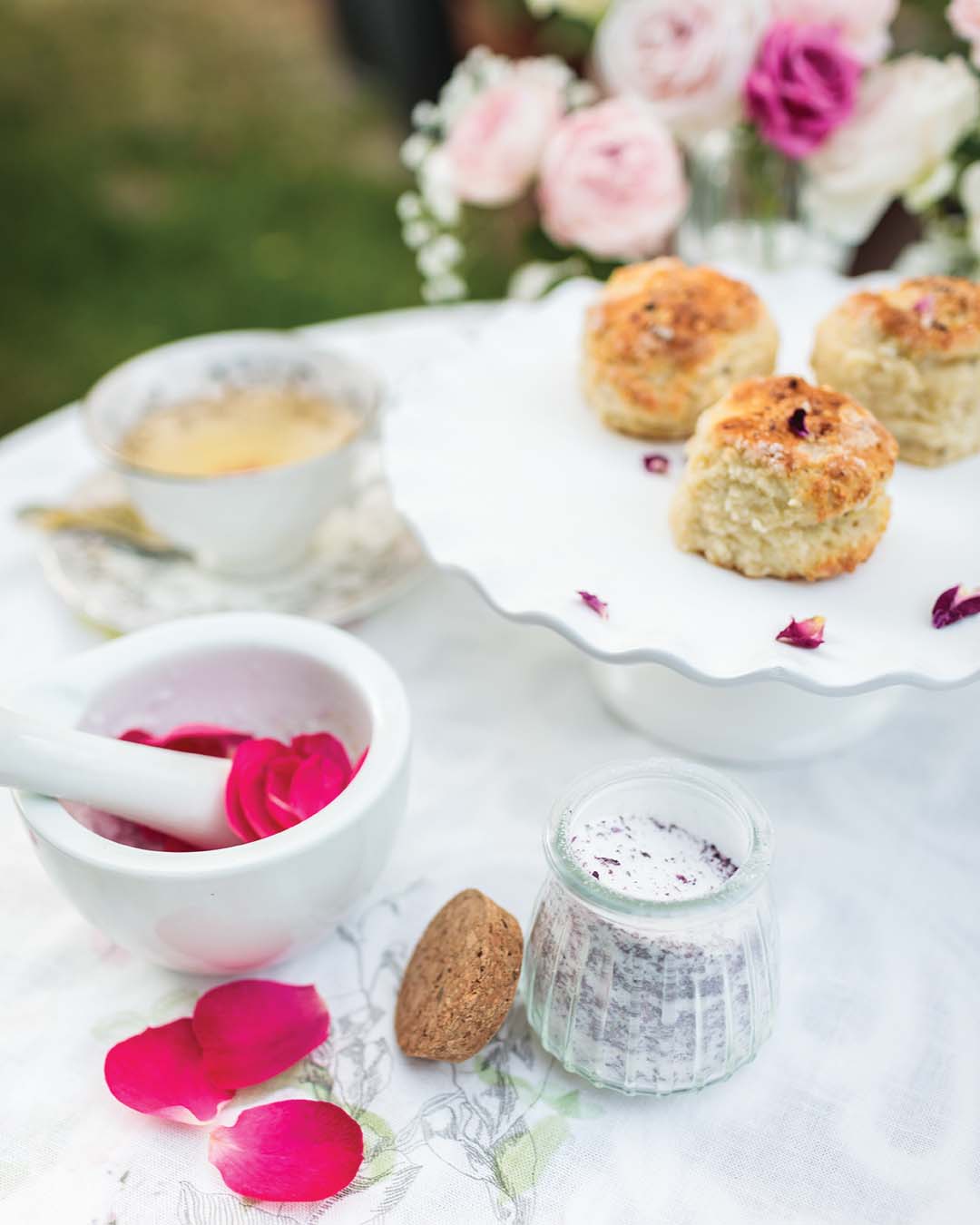
Use this scented sugar to enhance pastries, cookies, and confections, or stir it into tea, lemonade, or anything you’d like to give a subtle floral flavor. Use 2 to 3 roses, depending on the size and fragrance.
- 1 cup granulated sugar
- 2 to 3 fragrant pink or red organically grown roses, cleaned
- In a flat, shallow baking sheet or tray lined with parchment paper, layer sugar and rose petals, making sure all petals are submerged. Let sit until the oils in the petals infuse into the sugar, making it slightly damp and somewhat clumpy, at least 8 hours.
- Spoon mixture into a spice grinder or small food processor. Pulse a few times until small bits of petals are dispersed throughout mixture.
- In the same shallow tray, scatter mixture in an even layer. Let dry completely for 8 to 12 hours more. Store in an airtight jar in a cool, dry place and enjoy for up to 6 months. Sugar can be stored for up to a year but will eventually lose its fragrance.
Rose Petal Finishing Salt
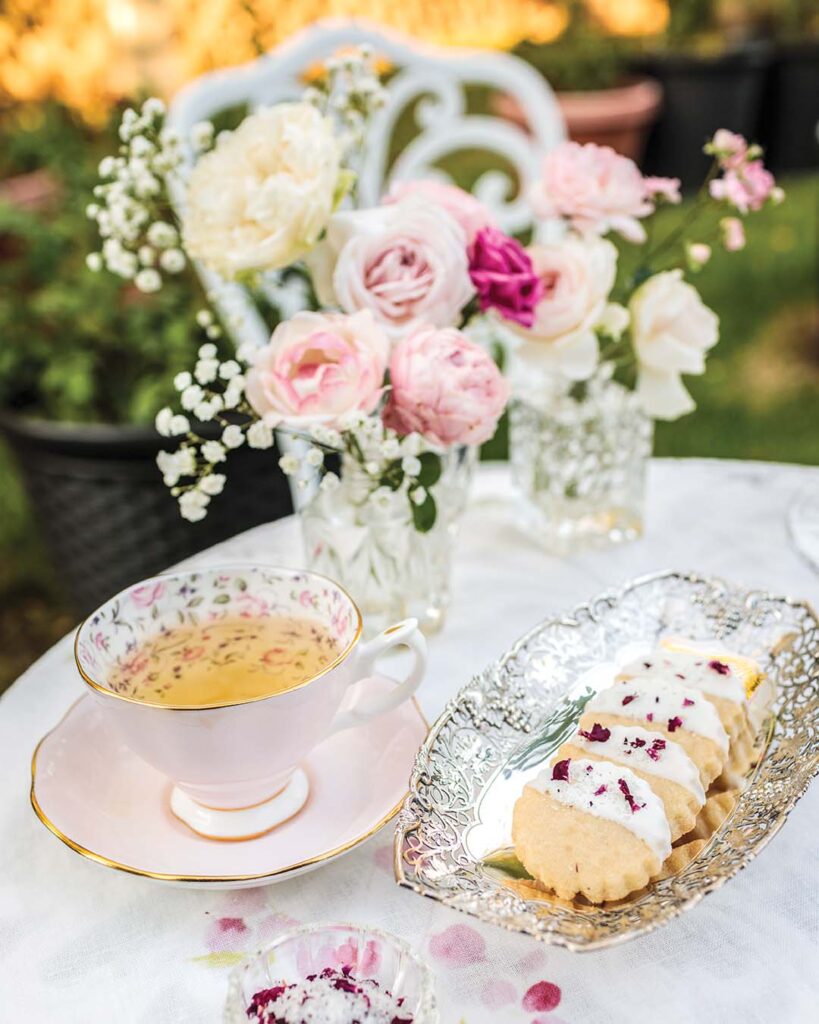
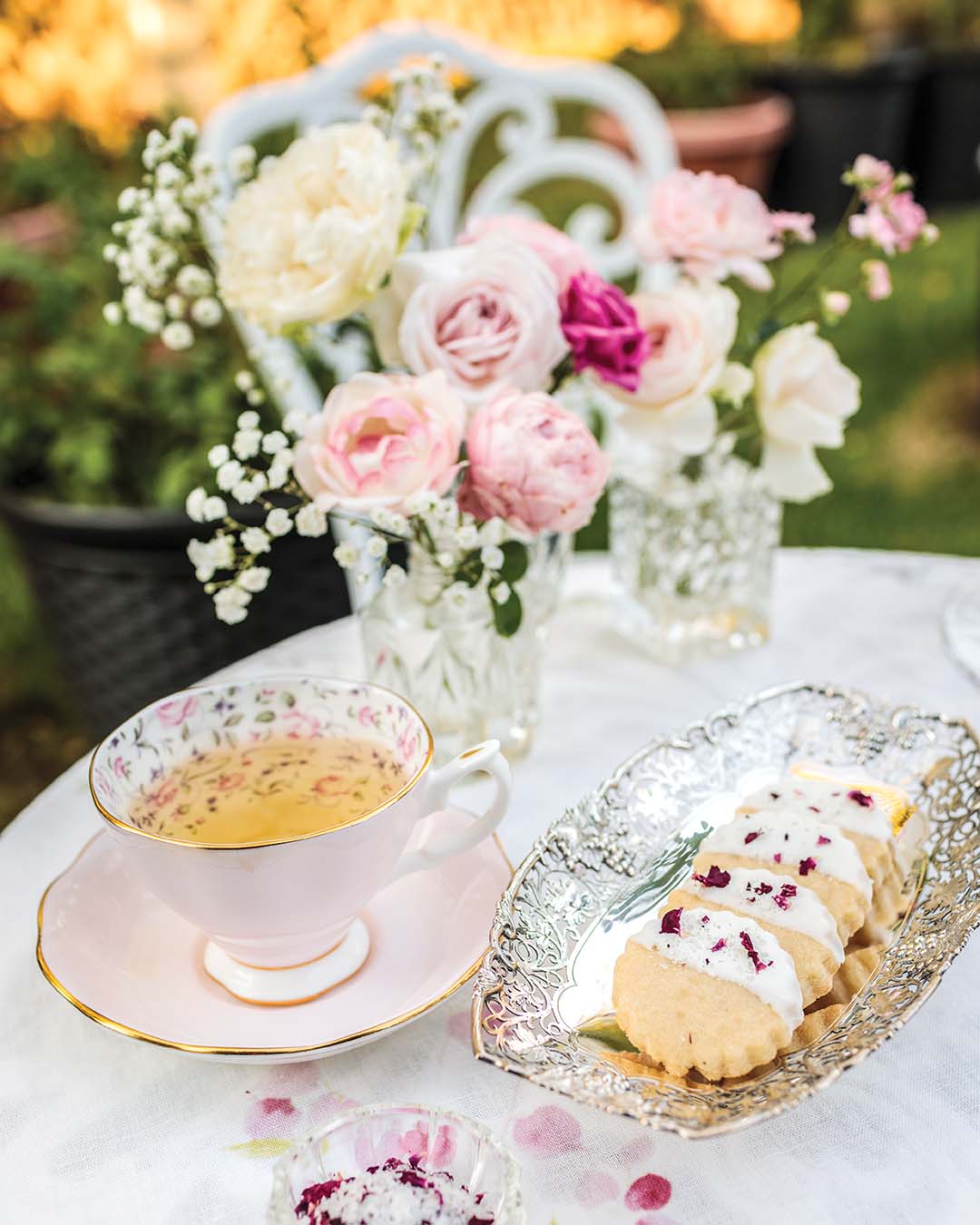
Quick and easy to make, this seasoning adds subtle floral flavor and a bright speckled color to an array of dishes. It can be sprinkled on cookies, shortbread, and tea sandwiches. You can also use it to line the rim of a beverage glass for your favorite floral cocktail or mocktail.
- ¼ cup dried rose petals
- ¼ cup sea salt, such as fleur de sel
- Using kitchen shears, cut rose petals into small pieces
- In an airtight container, combine rose petals and salt. Let sit for a few days for the rose to flavor the salt. Shake before using to evenly distribute the petal pieces. Store in a cool, dry place and use within 6 months for best fragrance.