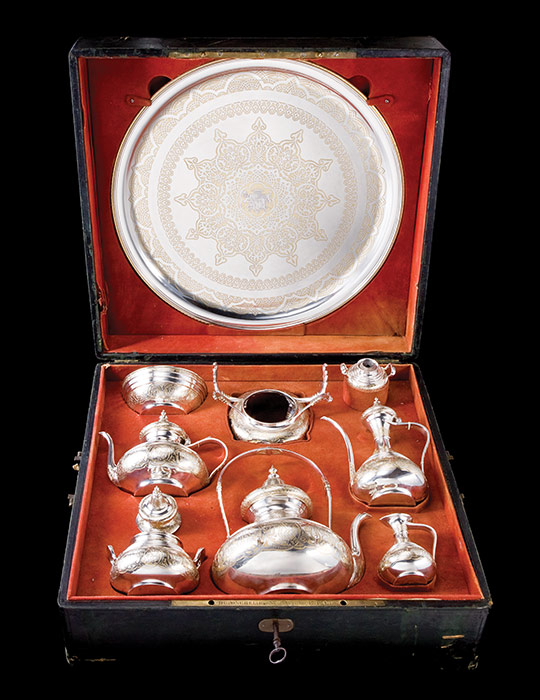
Political and social change in Europe in the 17th century had a direct effect on how wealthy people spent their money and on the quality of goods available to them. In England, with Charles II restored to the throne in 1660 and the Puritans gone, the upper classes felt a renewed sense of stability and security and so indulged their taste for opulence and display by purchasing expensive objects from English silversmiths.
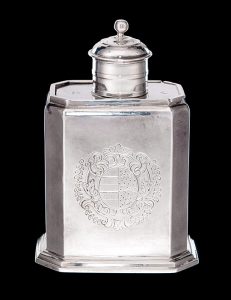
Just as the demand for expensive table wares and decorative items was increasing in the 1680s, Protestant Huguenots, fleeing from persecution and economic hardship in France, were settling in England, bringing a level of skill and a quality of work not previously seen there. Meanwhile, people from England and other parts of Europe (including more Huguenot families) were emigrating to America to start a new life. Once settled, those with enough money were eager to acquire fine wares for their new homes. Despite a strong allegiance to their new chosen land, many émigrés retained a powerful emotional link with homelands, and so designs in America followed the same trends as in England and the rest of Europe.