
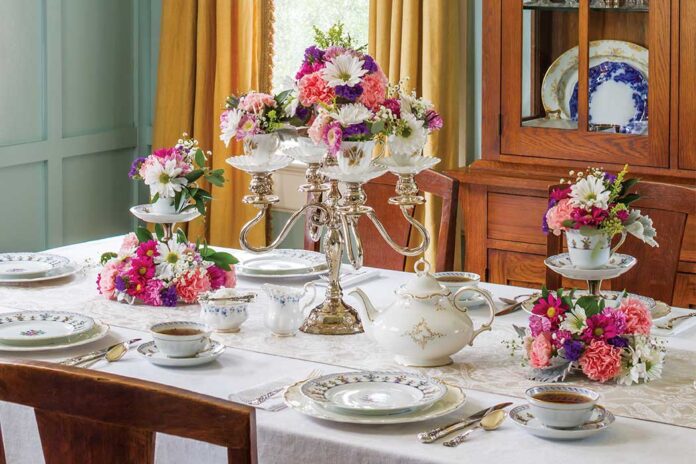
Dainty accoutrements and pretty décor to elevate afternoon tea
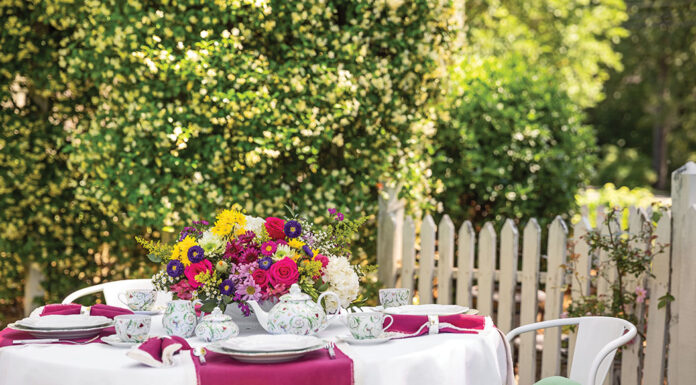
The elegant ambiance, the gorgeous china, the delectable food, and the refreshing tea help to set an enchanting scene for afternoon tea, but often, the thoughtful details and additional items that are found on a tea table are what make the affair extra special. Individually, these things associated with teatime—including condiments for scones, sugar cubes, serving utensils, linens, tea strainers, and floral arrangements—don’t make a huge impact, but collectively, they play an integral role in upholding the gracious ritual of taking tea. To continue the celebration of our 20th anniversary, our editorial team and prop stylist kindly share tips to effortlessly adorn a stylish and welcoming table.
Tea Strainers
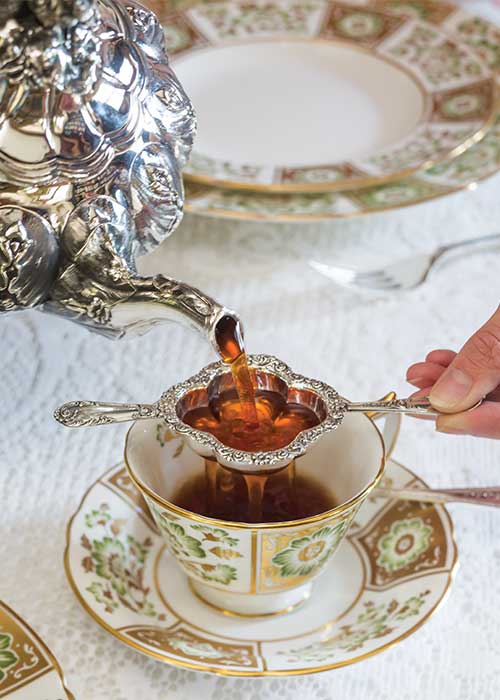
If you choose to serve loose-leaf tea at your gathering, the tea leaves should be removed from the teapot before being placed on the table, or tea strainers may be placed beside each teacup to catch errant leaves that might escape the spout. While removing the leaves ensures that the tea is not over steeped and is easy to pour, some guests might prefer to use an attractive strainer.
When our contributing editor Bruce Richardson owned his Elmwood Inn Tea Room, his staff would steep the tea, remove the tea leaves from the pot, and then add a few leaves back in to give people something to strain that wouldn’t negatively impact the flavor of the tea. “Many of our guests had traveled through England and, therefore, expected to see a tea strainer on the table,” Bruce explains. “We placed two-piece silver strainers beside each cup because it added to their enjoyment of what they considered to be an authentic teatime ritual.”
Appropriate Additions
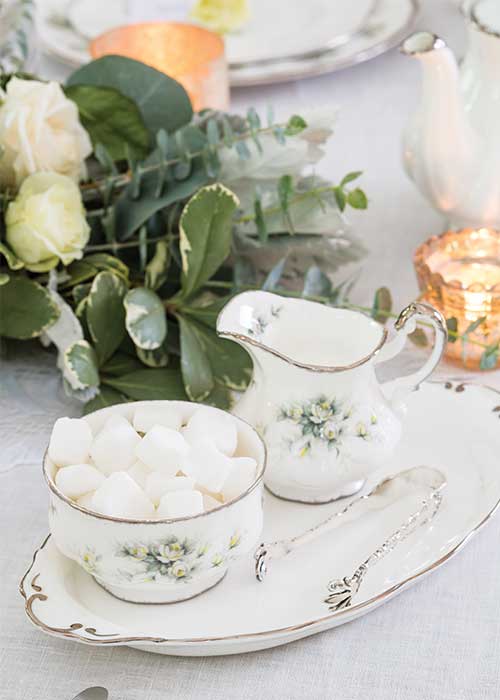
When serving tea, it is proper protocol to provide guests with the opportunity to add milk and sugar to the beverage if they so choose. Milk pitchers (sometimes called “creamers” in the US, in particular) and sugar bowls should, ideally, be matched to one another and can be of the same pattern as the teapot or complementary to it. If the table at which afternoon tea is being served is large, consider using two sets and placing one of each at both ends.
In her article “Do You Take Milk?” (March/April 2021), Jane Pettigrew, our London-based contributing editor, traced the history of milk jugs and explained that the British haven’t always drunk their tea with dairy. Nowadays, however, many do. She advises that semi- skimmed milk is the best choice as cream tends to be a bit too heavy and rich for most teas.
Granulated sugar or sugar cubes are both acceptable sweeteners for tea. “I love when we are able to showcase sugar cubes in varying shapes that fit the theme of our menus,” stylist Courtni Bodiford notes. “I think it’s such a fun touch.” To find many pretty and flavorful options, Editor Lorna Reeves recommends visiting sites like teatimeorganic.com or etsy.com and typing “sugar cubes for tea party” in the search bar. She also admonishes to be sure to provide the correct utensils for the chosen sugar type—tongs for cubes and a spoon for granulated. (For an in-depth discussion on sweeteners for tea, see Bruce Richardson’s article How Sweet Is Your Tea?)
A plate of thinly sliced lemons is a pretty addition to the tea table but isn’t requisite. If you do elect to offer the citrus, be sure to include a lemon fork. As a reminder, citrus should never be added to a teacup that has dairy in it, unless, of course, you desire to curdle the milk.
Edible Essentials
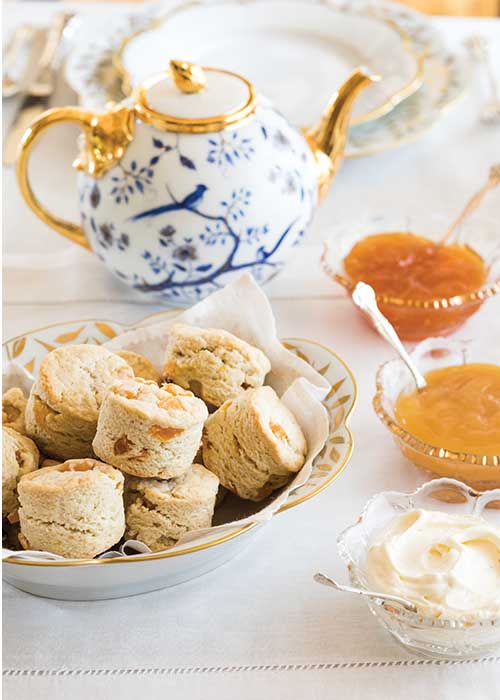
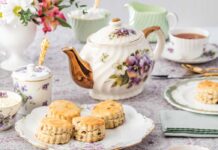
The scones course of afternoon tea is beloved by tea afficionados not only for the fluffy bakes that are so famously linked with the identity of the pastime, but also for the essential spreads that are known to grace a tea table: clotted cream, fruity jams, and often, lemon curd. Choose flavors that complement the primary ingredients of the scones being served. Dispense each condiment into a small bowl and ensure there is a dedicated spoon for each that is in keeping with the scale of the bowl. Placing each condiment in an antique salt cellar is a charming and convenient way to present guests with individual portions of the tasty spreads. The combination of layering the cream and the curd or jam on a scone—the order in which to do so being quite controversial in select circles—is possibly one of the loveliest components of the meal, so it is important to make sure everyone has a generous serving of each spread.


Lovely photos
Beautiful presentation