The pieces that make up the Chitra Collection unfold the fascinating story of tea through the ages. A glazed ceramic Chinese bowl from the Song dynasty record s how, during that period, powdered tea was whisked into hot water with a hand-carved bamboo brush. Since that was the time when Japan learned about tea from Chinese monks and priests, this method of preparing whisked tea was adapted and gradually developed into the Japanese green-tea ceremony, or chado. Small porcelain, jade, and earthenware Chinese pots made during and after the Ming dynasty document how the style of preparing tea changed in China from whisking powdered tea to steeping whole-leaf tea inside pots, a method that was, of course, copied by the first Europeans who started trading with the Orient in the early 17th century.
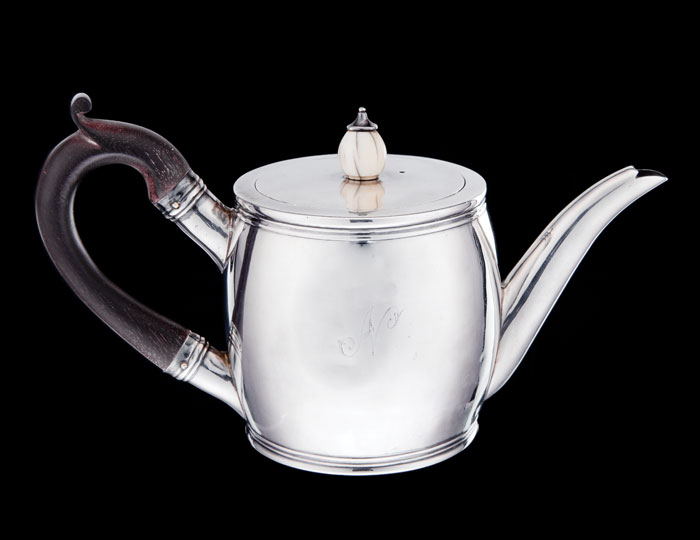
A small squat Dutch silver teapot by Adam Loofs, court goldsmith to William III of Holland and England, is a perfect example of how European silversmiths then copied the size and shape of Chinese teapots to suit the requirements of the aristocracy in Britain and Holland as tea became more popular in the early 18th century. And an enamel and silver gilt tea set from Russia by Pavel Ovchinnikov, which comprises teapot, sugar bowl, cream jug, lemon fork, sugar tongs, strainer, and caddy spoon, shows how wealthy Russians took tea in the late 19th century. Every single item of the Chitra Collection adds colour and detail to the history of tea, and this is the first of a series of articles that will explore these priceless antiques to discover the engaging and captivating story through different countries, periods, and manufacturing materials and styles.
Contributing Editor Jane Pettigrew, an international tea expert, who has written many books on the subject, is recipient of the British Empire Medal. A former tearoom owner, she is a much-sought-after consultant to tea businesses and hotels, a conference speaker, and an award-winning tea educator. Although her travels take her around the globe, she resides in London.
From TeaTime January/February 2017