
Tea was by now also providing refreshment to families at all times of the day. Duncan Forbes, Lord President of the Court of Session, wrote in 1743 to Lord Tweedale that tea had “. . . now become so common, that the meanest familys, even of labouring people, particularly in the Burroughs, make their Morning’s Meal of it . . .; and the same Drug supplies all laboring women with their afternoon entertainments . . . at present there are very few coblers in any of the Burroughs of this Country who do not sit down gravely with their Wives and familys to Tea.” Imports of tea from China rose from 20,000 pounds weight in 1700 to 1 million pounds in 1721.
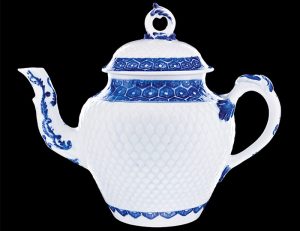
For the British potteries, this was all very encouraging. The proprietors of the tea gardens and other popular places of “publick Entertainment,” families drinking tea at home, and owners of wealthy manor houses who provided tea for their servants during tea breaks all required teapots, tea bowls, saucers, sugar bowls, and cream or milk jugs to brew and serve the tea. As Daniel Defoe wrote in 1713, “It is impossible that Coffee, Tea and Chocolate can be so advanced in their Consumption without an eminent encrease of those Trades that attend them; whence we see the most noble shops in the City taken up with the most valuable utensils of the Tea-table.” But because porcelain was too expensive for the lower classes, other, cheaper types of ceramic wares would have to do. And why not, for the English potters had by now become competent at producing attractive imitations of the Chinese and Japanese originals.