Patience Has Rewards
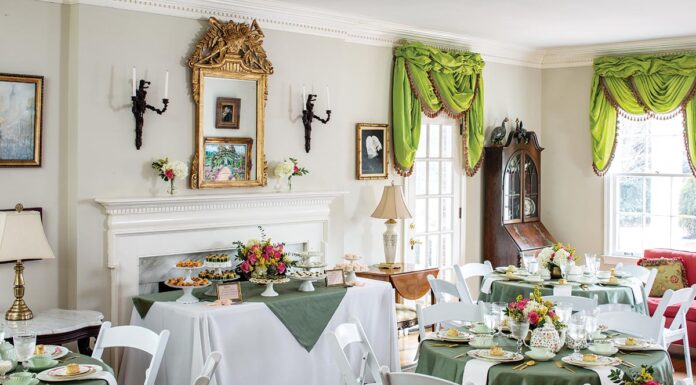
Afternoon tea is a leisurely meal with three courses and many cups of tea. Children will see we take our time to appreciate the ambiance of the tearoom, beautiful table settings, and first sips of fragrant teas while we await the presentation of the three-tiered tray. Scrumptious things come to those who wait, and as the anticipation builds, we can explain how much effort, time, and creativity go into the preparation of the menu.
Sharing Spreads Joy
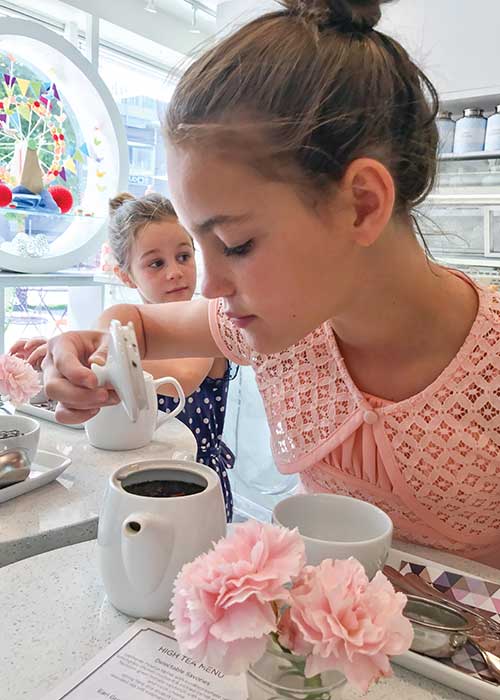
At afternoon tea, where each guest chooses their own pot of tea, it is very common for friends to intentionally order different teas around the table. Children will see that when everyone shares their teas, everyone enjoys the opportunity to taste several delicious teas in one sitting. They will have the chance to feel both the joy of giving— offering their chosen tea to others—and the gratitude of receiving, accepting a taste of another’s tea.
The Conversation is the Thing
Afternoon tea is a phone-free oasis in the midst of our digitally obsessed world. Given that so many American children have regular access to screens from infancy, afternoon tea is a much-needed opportunity for kids to practice their interpersonal conversational skills in a face-to-face setting. While they may need parental enforcement to stay off devices at the tea table, they will afterwards remember how much fun they had without their device during teatime. Without the distraction of their phones, they have the chance to see firsthand that chatting, listening, and laughing are all the entertainment tea friends need.
Life’s Greatest Delights Can Come in Small Packages
Bigger is not always better, something kids will learn as they make their way through the afternoon tea menu. Chefs that create tiny whimsical garnishes demonstrate to children that small details can make a big impression. Small savory and sweet bites allow us to try many differ- ent recipes without getting too stuffed at afternoon tea. Each finger food is its own tasty delight, and especially during the third course, mini-sized desserts allow us to indulge ourselves while preventing sugar overload (an added benefit for the parents).
Time Spent Together is a Gift
When a child joins family or friends at the tea table, he or she likely will not at first understand how important and beautiful this moment is, but that will not prevent them from gaining something from it. Just listening to the conversation flow around them, children will learn many things about their family, their culture, or their own history. They will see how good friends support, hear, and cheer one another. Perhaps this is the greatest lesson on this list.
Over time, the wonder of afternoon tea becomes part of happy childhood memories, and whether or not the kids become afternoon-tea enthusiasts, the core life lessons stay with them. In our family, our eldest, when she was in grade school, began asking for afternoon tea with Aunt Beth as her birthday treat. Our second eldest taught younger Girl Scouts how to properly brew tea. Our son knows that gentlemen are always welcome at afternoon tea, though lately he prefers Dad time while we are at tea. Our youngest, when her friend comes over, gets busy preparing an afternoon tea for the two to enjoy. And as a work in progress, we continually revisit and practice appropriate dress and our hosting and table manners.
If all goes to plan, afternoon tea will remain a family tradition for generations to come until it is my turn to represent the elder generation at the tea table and gently show my grandbabies how we enjoy afternoon tea with grace and graciousness.
Angela Renals is a wife, a mother of four, and the founder of Destination Tea, The U.S. Afternoon Tea Directory, destinationtea.com/teavenues.