
Text by Jane Pettigrew
A “hat” for a teapot
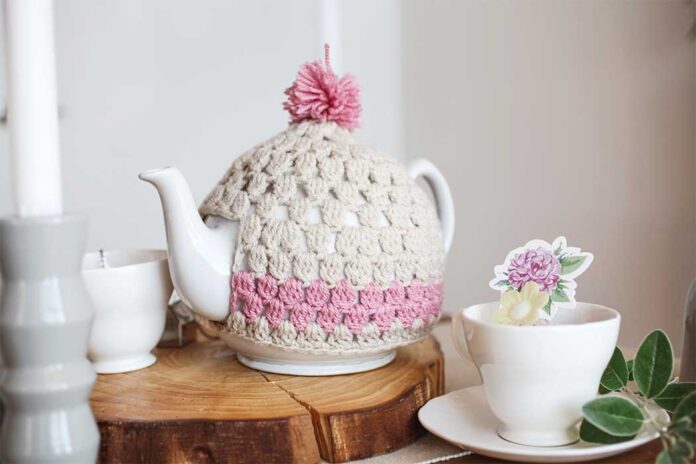
A late addition to the tea table during the second half of the 19th century, tea cozies brought a sense of whimsical practicality to any tea-drinking occasion on both sides of the Atlantic. For, although a cozy’s most important role has always been to keep the teapot and the tea warm, its style—sometimes quirky and inventive, often elegant and prettily embroidered—attracts attention, provokes discussion, and gives those at any tea gathering an affectionate feeling of easy sociability and contentment.
It is not simply the cozy’s name (which of course means snug, warm, safe, restful, and secure) that instills in tea-party guests a feeling of well-being and comfort; the shape, color, size, design, and character (traditional, eccentric, bizarre, beautiful, or totally weird and funky) play their part and often make guests smile and ask about the cozy’s origins.
Some cozy addicts suggest that the tea cozy may date back to the 17th century when tea first arrived in England and was made popular by Catherine of Braganza, Portuguese wife of King Charles II and an avid tea drinker. But cozies never appear in 17th-century British, European, or North American paintings, and if we consider the tea ritual copied from China by Europeans, there would have been no need for them. For Chinese teapots imported at that time (along with the tea and other essential porcelain tablewares) were small and held only enough tea to fill a few small tea bowls.
As soon as the leaves had brewed sufficiently, the tea liquor was poured into small tea bowls, and by the time the lady or gentleman of the house had steeped the leaves for a second or third time, guests were ready for another serving. Nor do we have any evidence in images or written references of cozies being used in the 18th century, and it is much more likely that it was the spread of the popularity of afternoon tea and the availability of cheaper Indian and Ceylon tea in the 19th century that led to the desire and need for a cozy. The lack of central heating in Victorian houses was perhaps an additional reason to pop a tea cozy over the teapot to protect it from chilly drafts. And whereas Victorian ladies would have left the tea leaves inside the pot while covered with a cozy, we now know that our tea will taste much better for longer if the leaves are separated from the tea liquor before covering the pot with our favorite cozy.
A valuable source of information about the sort of cozies and other household items people were crafting in their own homes is a series of publications by Walter Weldon (chemist, journalist, fashion publisher, and owner of Weldon & Company), which, from around 1888, produced hundreds of patterns and instructions for sewing, crocheting, knitting, lace-making, patchwork, macramé, and decorative needlework to make clothes, aprons, tablecloths, napkins, and tea cozies. The company continued long after Weldon’s death in 1885, and by 1915, the company had published 159 issues of Practical Crochet and 100 issues of Practical Knitter. Until the last journal was published in 1954, Weldon patterns had proved essential to those people who loved making their own cozies.
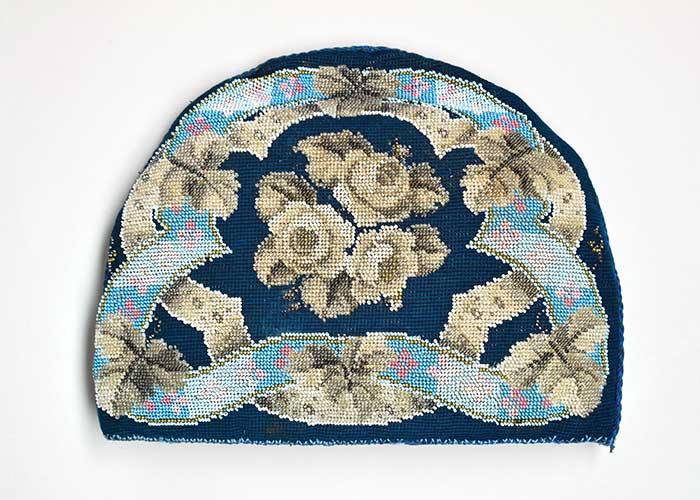
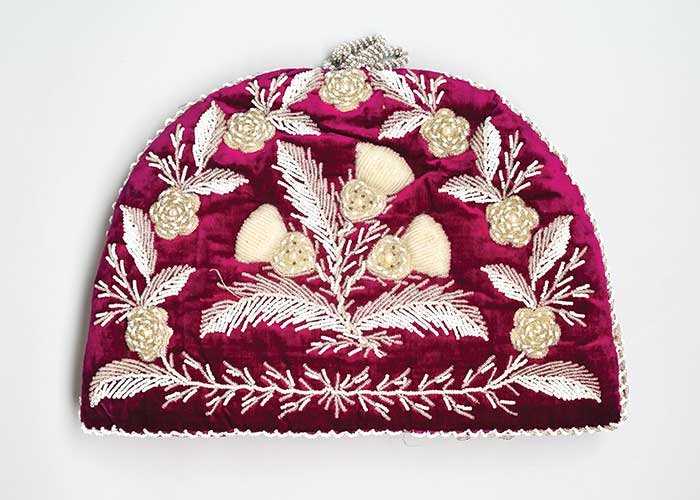
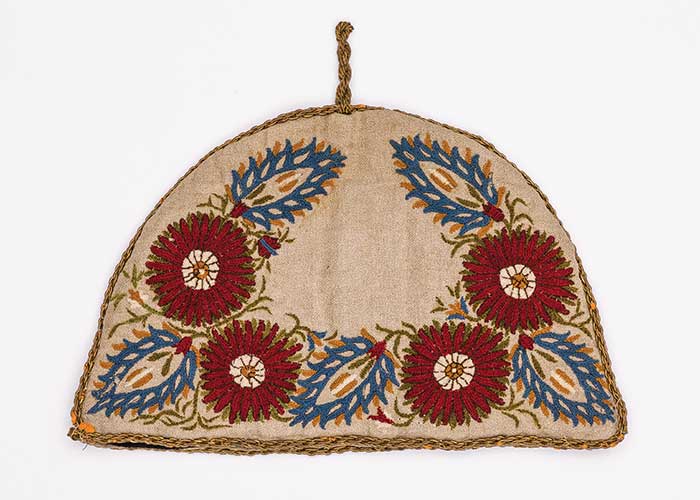
Early cozies (fashioned from heavy linen or cotton, rich velvet, satins, and silk) were often embellished with brightly colored embroidery, lace, tassels, fringes, ruffles, and beadwork. They did not have openings at each side through which the handle and spout protruded, and so the cozy had to be lifted off the pot in order to pour the tea. Instructions for knitting the first “Batchelor Tea Cozy” with apertures for the spout and handle were published in Weldon’s Practical Knitter in 1892. Both the Batchelor design and the lift-off type became equally popular, and Weldon’s patterns were an inspiration at a time when tea prices had dropped and tea had truly become the drink of the British nation.



Interesting article, Jane..
Love how little details like shape, color, and design can totally change the vibe and make people smile. Same idea applies to smiles themselves — small improvements can make a huge difference in confidence and appearance. Checking out https://newstardental.org/services/cosmetic-dentistry/dental-veneers/ is a simple way to brighten and transform a smile, giving that extra touch of charm just like a perfect tea cozy.