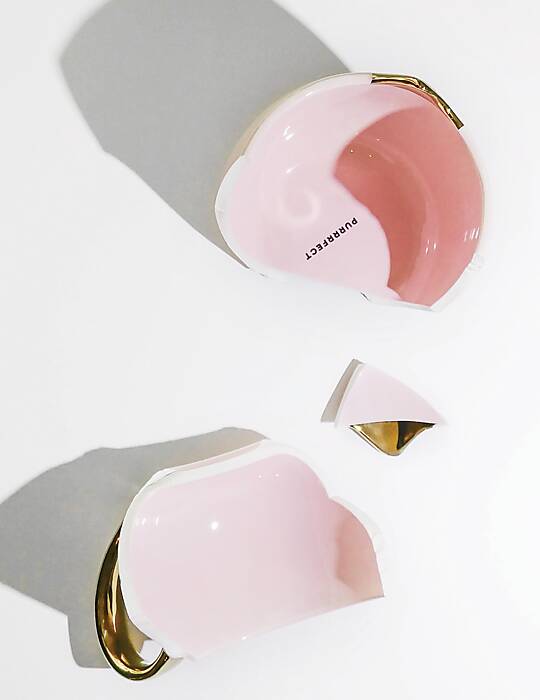
Reparation by kintsugi uses urushi lacquer made from the Rhus verniciflua plant, known as the Chinese lacquer tree or the varnish tree, whose sticky sap creates a resilient, long-lasting coating that protects from water, acid, alkali, alcohol, and salt. Some restorers mix the resin with powdered gold before starting the repair work, but the traditional art bonds the pieces with resin, carefully matching the edges of the splintered and fractured sections perfectly against each other, and then applies the chosen precious metal to the resin veins afterwards. Gold is preferred, because it doesn’t tarnish and looks wonderful against the rich earthy colors of unglazed pottery, but silver, copper, and platinum are also used.
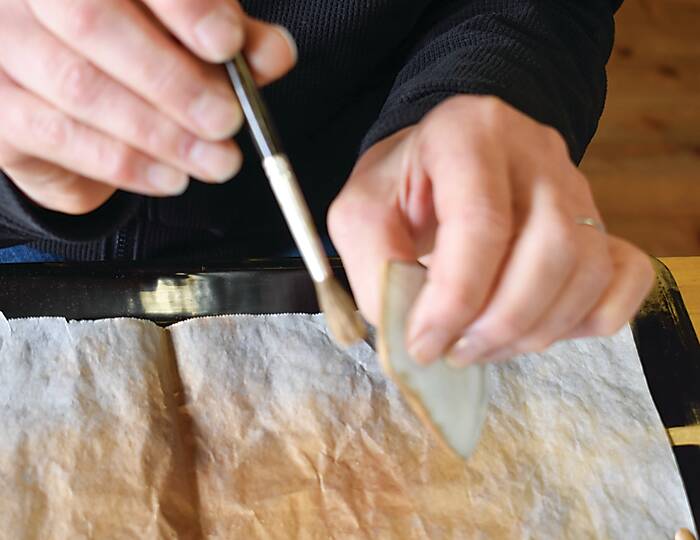

Kintsugi can be applied in three ways. 1) The “crack technique” mends fissures and bonds the broken ceramic pieces with minimal quantities of the lacquer, thus creating thin veins of gold through the body of the object. 2) The “piece method” replaces missing fragments or bigger sections with larger areas of the lacquer mix. 3) “Joint call” takes ceramic pieces from a vessel of a totally different style, color, and decoration, and adds it into the damaged bowl or dish to create a patchwork effect and so delivers something that has not just been repaired but recreated.
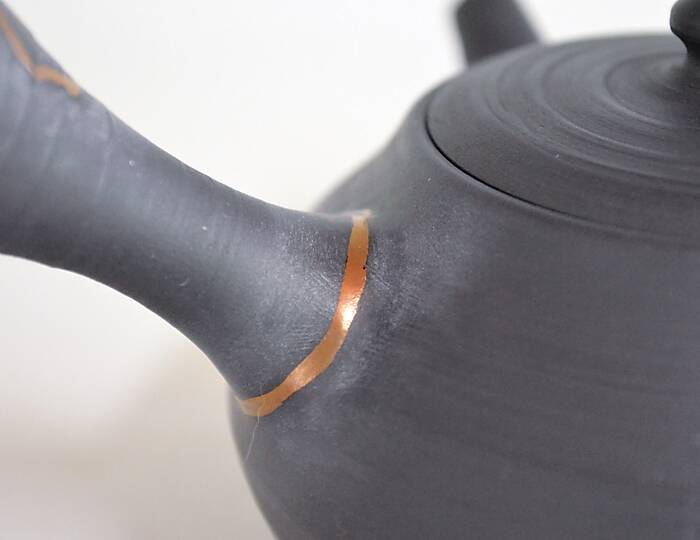

The repairer must be careful to use enough lacquer to mend the fracture but not so much that it trickles or drips out. Once the resin has been applied and the broken edges brought together, it is left for several weeks to completely bond, dry, and harden. The surplus resin that has oozed from the seam must then be sanded down so that it is flush with the surface, and the break is then varnished with the chosen metal, which becomes part of the system of gleaming veins that now decorate the object. Every piece of kintsugi work is exclusive and extraordinary, giving the repaired vessel a new lease on life and a richer, more complex, and interesting character.