Text and Photography by Bruce Richardson
The principality of Wales—the smallest of the four countries that make up the United Kingdom—is so narrow that first-time travelers could, if in a hurry, drive the 200-mile route from the southern capital city of Cardiff to the northern seaside resorts in a half day. But this is not a country where you want to rush.
The wandering stone-lined roads provide, at every turn, unending vistas of vertical pastures dotted with more sheep than people. While travelers along the Atlantic coastal route are treated to windswept seaside views, the eastern roadways traverse two resplendent mountainous areas—the Brecon Beacons in the south and Snowdonia in the north. In addition, each route provides bucolic glimpses of waterfalls, forests, and the occasional abandoned slate mine.
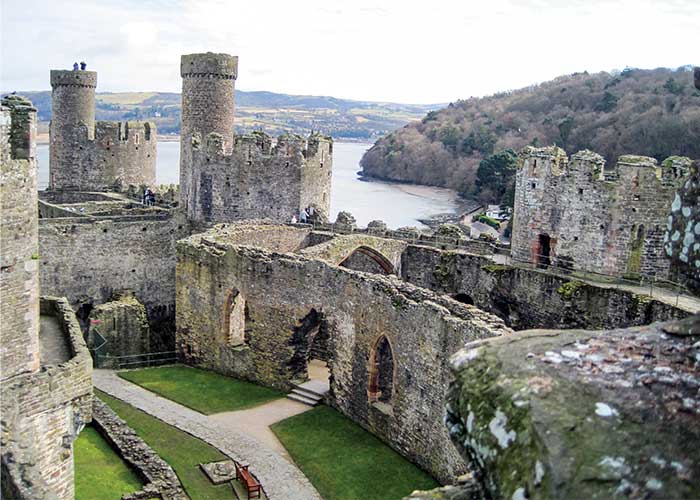
Castles abound along the eastern border with England, where Edward I built 17 castles to bolster his campaigns against the Welsh citizenry in the 13th century. The Welsh, in turn, constructed a few of their own. Several are open to tourists and overnight guests, including Ruthin Castle, where my son, Ben, and I once lodged for the night and were awakened before dawn by the resident peacocks. We were in search of afternoon tea in the Victorian town of Llandudno, located just a few miles east of Caernarfon Castle, where, in 1969, Prince Charles was invested.
A century before the visit of Prince Charles, the best-known Alice in all the world came to stay at the stylish Saint Tudno Hotel, located along Llandudno’s Promenade. Reverend Henry Liddell, Dean of Oxford’s Christ Church, arrived here on holiday in 1861 with his wife, five children (including Alice), a footman, a lady’s maid, a nurse, a nursery maid, and a governess. That was the first of many visits to Llandudno for eight-year-old Alice Liddell. Her father purchased a nearby holiday house the following year, which the family visited for many years.
Then, on November 26, 1864, Oxford mathematician and author Charles Lutwidge Dodgson (Lewis Carroll) presented his young friend Alice with a handwritten manuscript of Alice’s Adventures Under Ground, with illustrations by Carroll himself, dedicating it as “A Christmas Gift to a Dear Child in Memory of a Summer’s Day.”
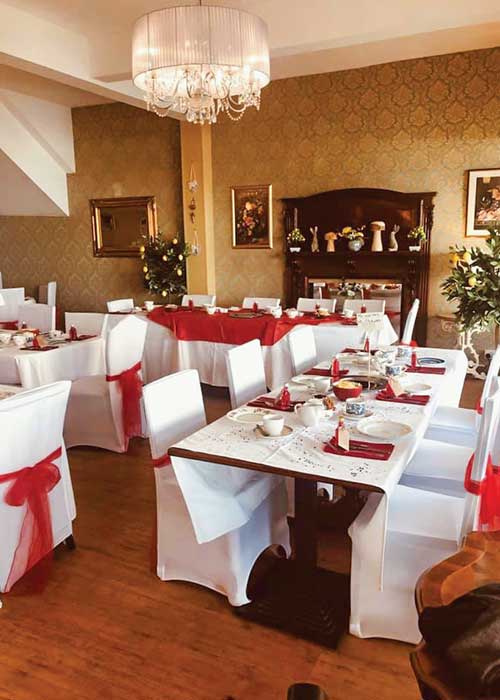
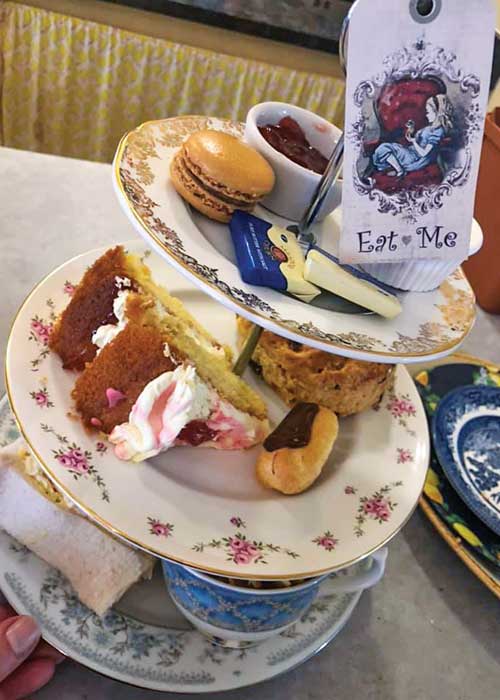
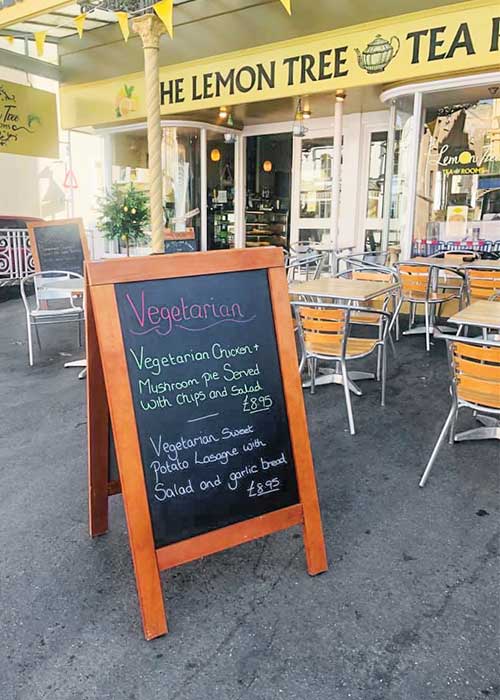
Sadly, the Saint Tudno Hotel no longer serves the classic Welsh afternoon tea that Ben and I came to photograph years ago. However, Alice’s tea parties continue in the center of town at the Lemon Tree Tea Rooms, where the walls gleam with colorful murals reminiscent of Carroll’s original Alice in Wonderland illustrations. The restaurant offers many traditional English teatime foods and lunch and breakfast offerings in a relaxed setting. Set menus titled Alice’s Clotted Cream Tea, The Queen of Hearts Tea, and Alice’s Mad Hatter Kid’s Tea are sure to please tea lovers of all ages.
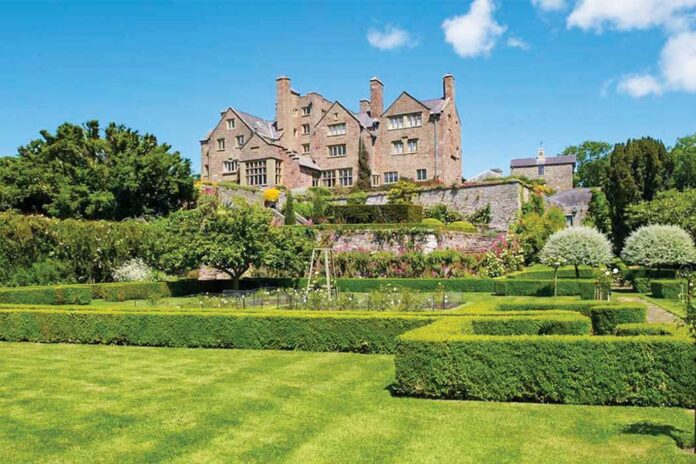
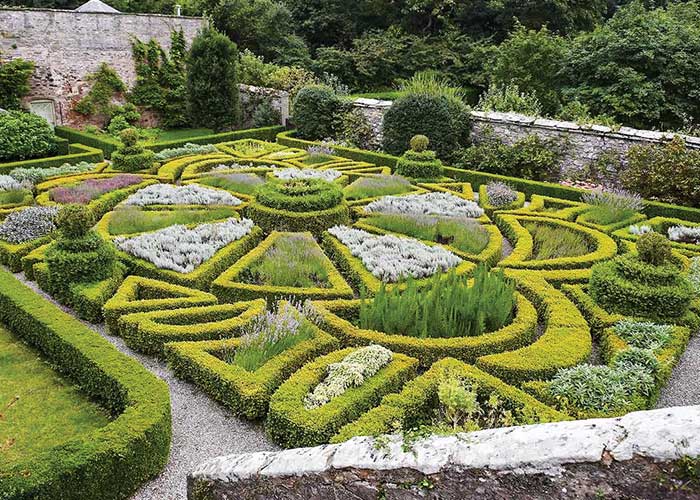
 If you prefer a formal tea set in a grand country house, you will do well to travel just two miles to Bodysgallen Hall. The stately National Trust home, built around a 13th-century tower erected to warn of attacks on nearby Conwy Castle, sits on a 200-acre site that includes extensive gardens dating back to Elizabethan times, Victorian follies, and a 17th-century sundial.
Afternoon tea takes place in a cozy front drawing room with sunny bay windows looking out across the Irish Sea. The pastry chef lovingly bakes all the traditional Welsh sweets you will find on the bountiful tea tray: warm, buttery Bara Brith; sweet Welsh Cakes hot from the griddle; layered Orange Sponge Cake filled with lemon curd; and warm scones accompanied by Devonshire cream and preserves. The Full Afternoon Tea includes a selection of traditional tea sandwiches such as tomato, egg, cucumber, or smoked salmon.
The Deluxe Afternoon Tea adds strawberries with cream and a stem of Champagne. A variety of loose-leaf teas from Taylors of Harrogate rounds out the fare.
With all this delicious Welsh food, attentive service, and storybook atmosphere, afternoon tea casts a magical spell here—one even Alice would have considered a wonderland experience.
Contributing editor Bruce Richardson is the Master Tea Blender at Elmwood Inn Fine Teas and co-author of The New Tea Companion and A Social History of Tea, available at elmwoodinn.com.