Text by Barb Gulley • Photography Courtesy of Highclere Castle
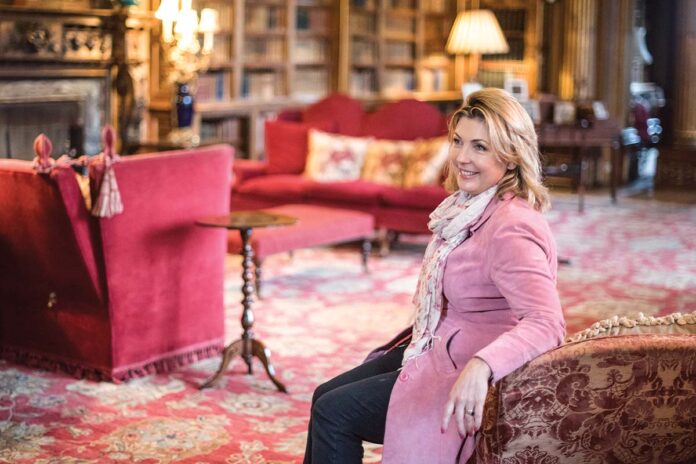
When Lady Carnarvon came to call on Newport, Rhode Island, for a three-day, sold-out, events-packed visit, it was a melding of The Gilded Age and Downton Abbey—the latter filmed at her family’s home, Highclere Castle, and both serial shows the creation of her good friend Julian Fellowes.
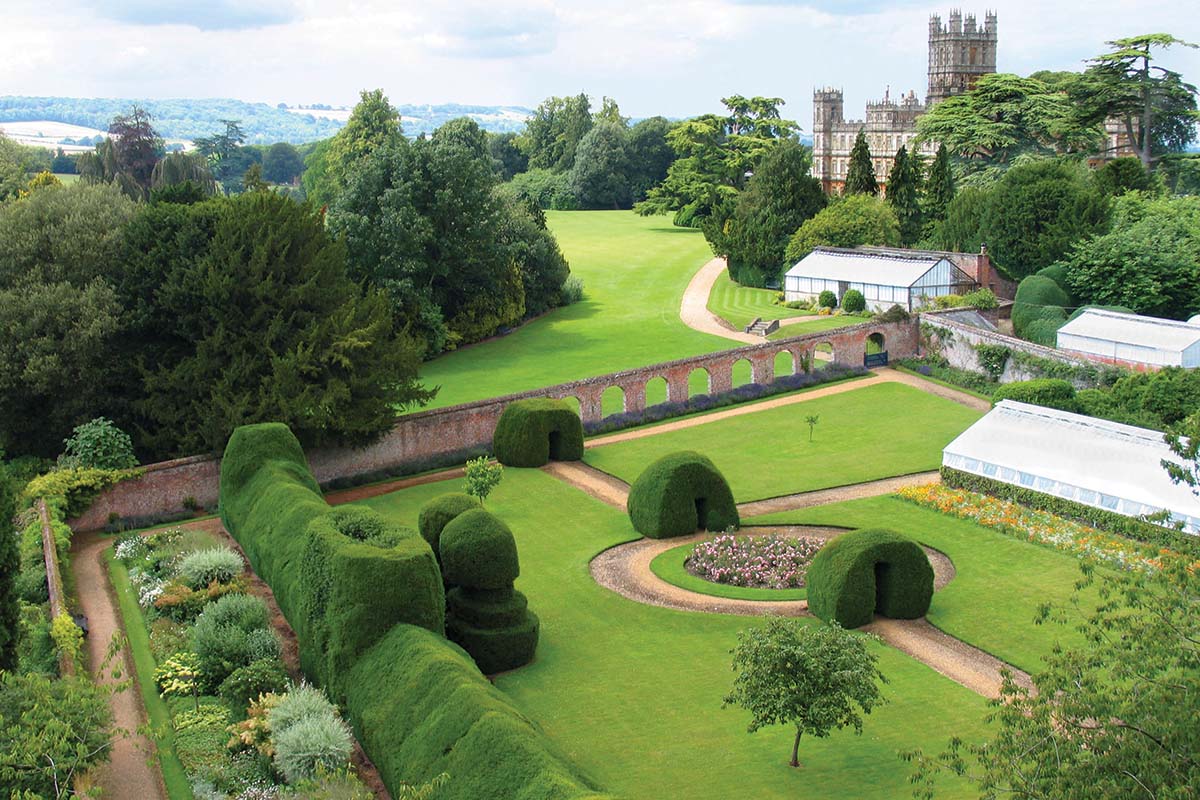
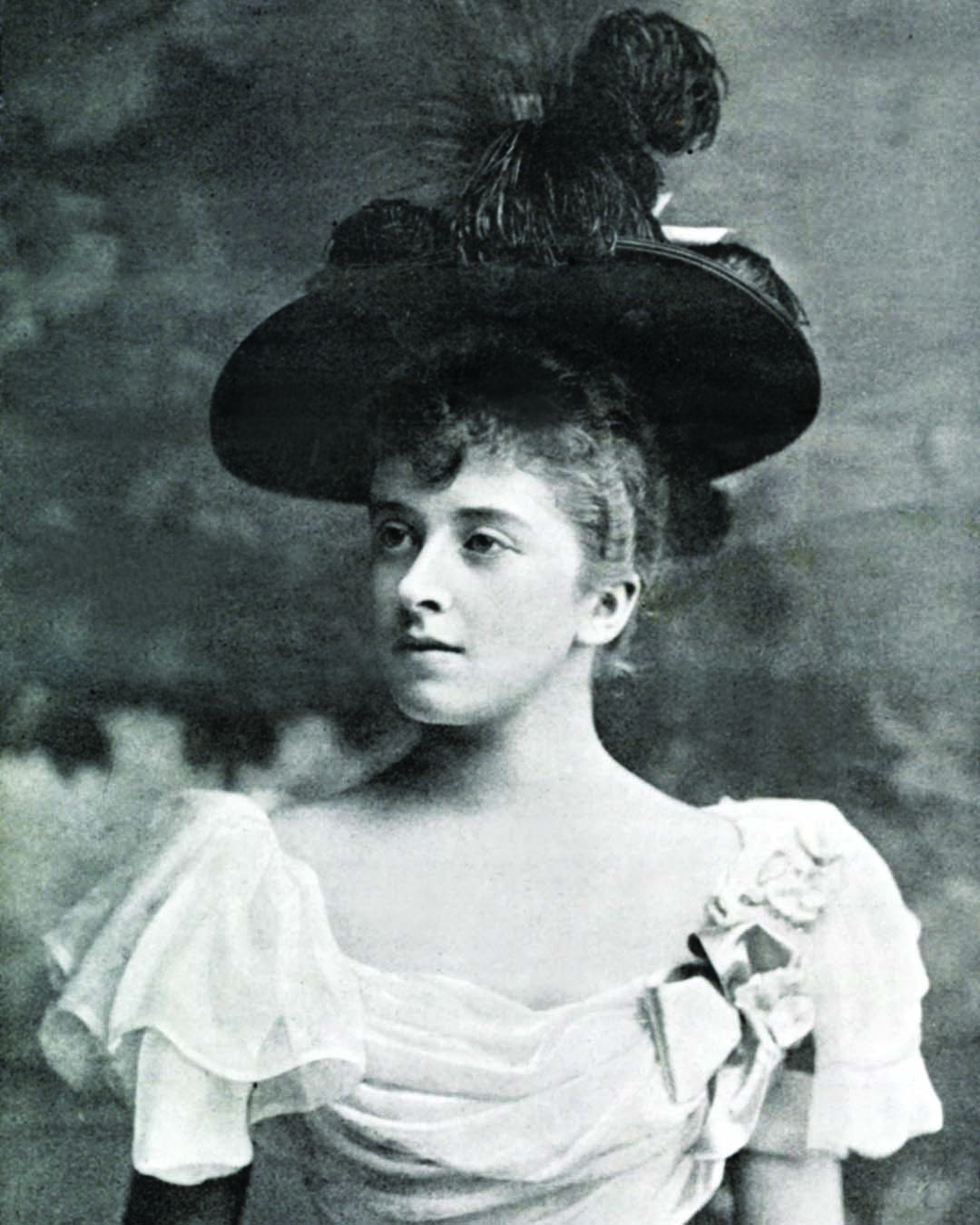
Gracing the mansions of Newport, Lady Carnarvon was walking the same groomed estates and elegant ballrooms that were once the homes of many American heiresses. They, like Cora Crawley of Downton Abbey, were daughters of wealthy, nouveau-riche families who brokered marriages with English aristocrats. The rich Americans would gain a title, and members of the British elite would receive an infusion of much-needed cash.
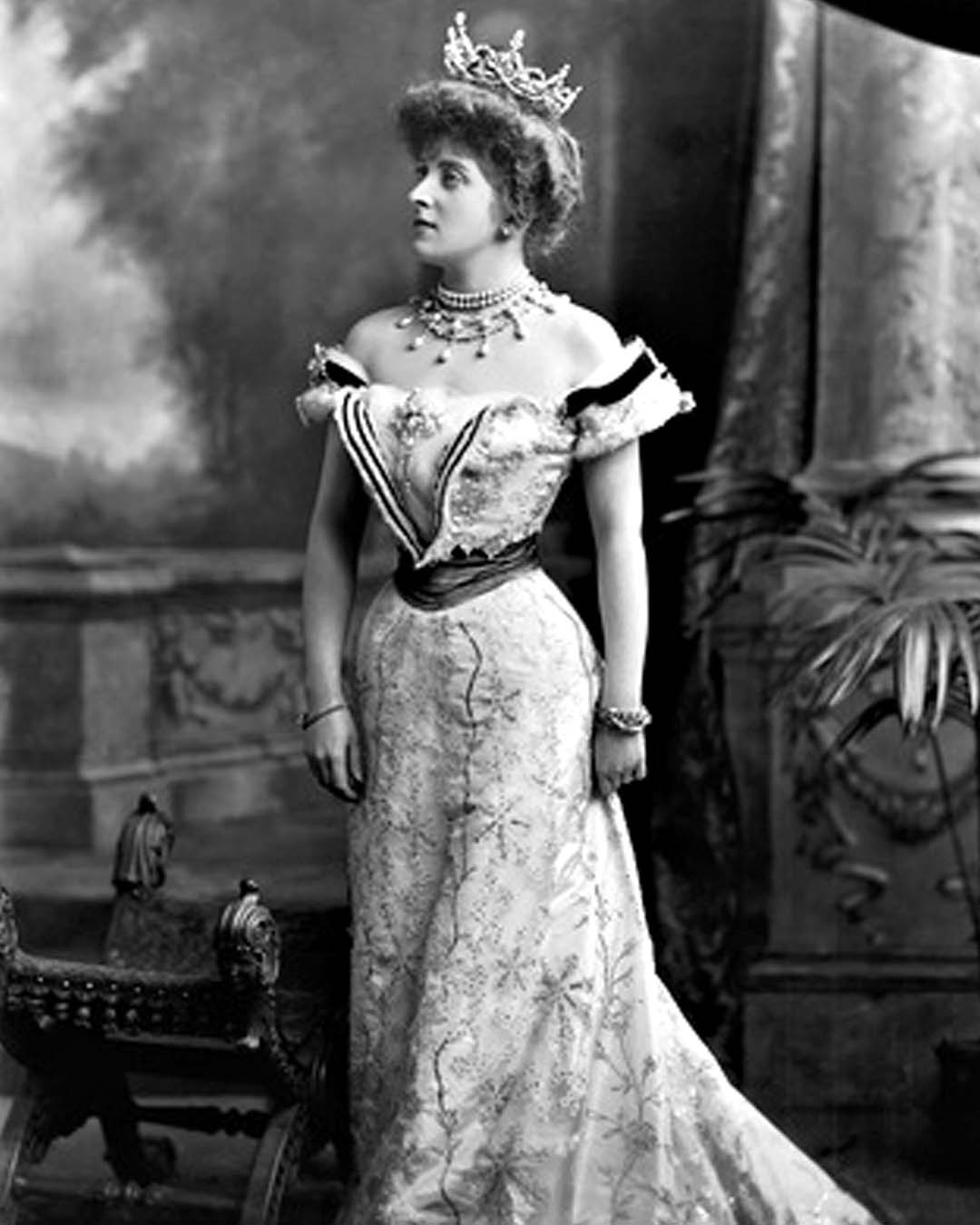
A similar story is that of Lady Almina, the 5th Countess of Highclere, whom Lady Carnarvon wrote about in her first book on the family history of her husband, George Herbert, the 8th Earl of Carnarvon. Although Almina was not American, it was her family’s money that helped keep Highclere afloat. And, like the first Downton Abbey movie, Almina hosted the British royal family at her country estate.
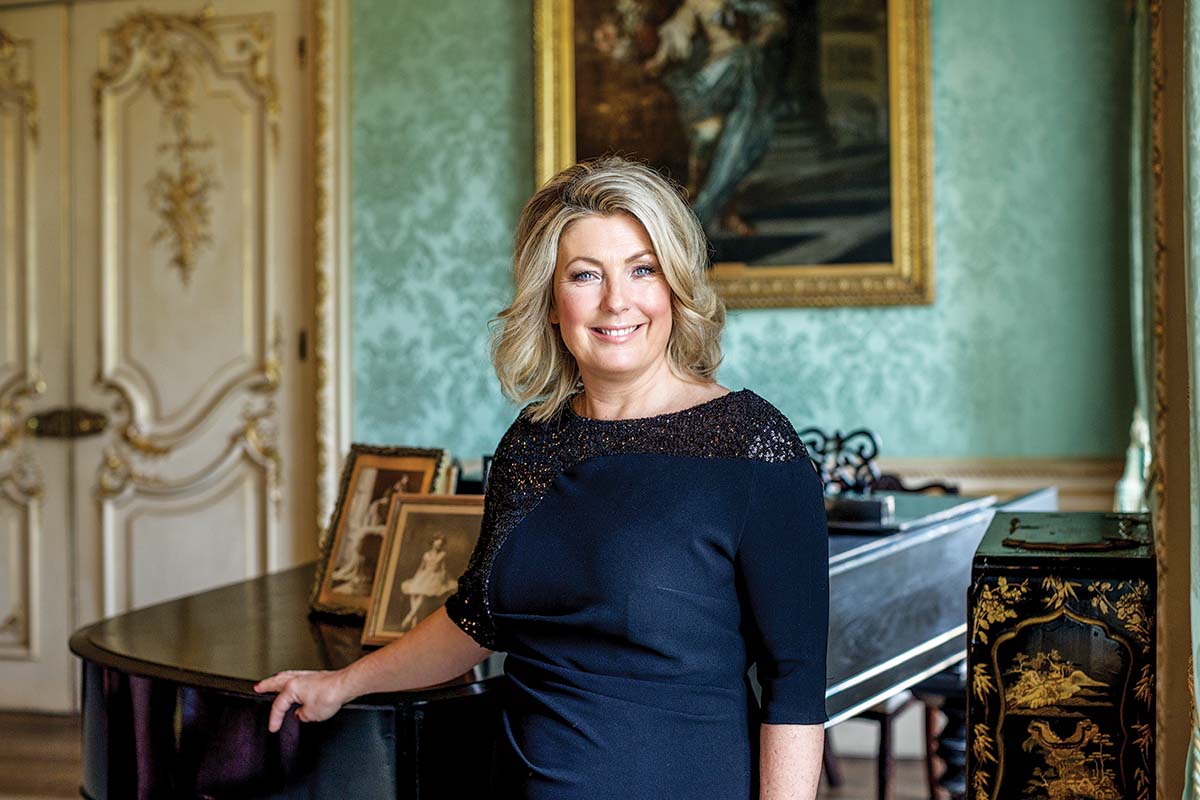
Lady Carnarvon also hosts royals at Highclere, but when asked who specifically, she smiles and says, “I can’t tell you that.” But, she did share that Queen Elizabeth was her husband’s godmother. And, when they do entertain members of the royal family, there is a lot of planning that takes place and “a bit of panic” can set in.
The second Downton Abbey movie came out in May 2022, and after a long hiatus, Lady Carnarvon says it was wonderful to see everyone back again. The cast and crew spent two-and-a-half months filming at Highclere, and per the Countess, it’s amazing how they “convey the magic of the house to the screen.”
Lady Carnarvon also confides that though she roughly knows how the story is shaping up in production, she doesn’t dig too deeply during the filming because she wants to experience the movie like everyone else. Asked if she knows if there will be a third Downton Abbey movie, she comments coyly, “I think that’s up to you in America.”
And, not surprisingly, Lady Carnarvon enjoys tea and teatime. When at home, she always breaks for tea at 4:00 p.m. Among her favorite teas are English Breakfast and Lapsang Souchong. When in London, she is fond of The Ritz for afternoon tea, as she notes, “It has such a beautiful dining room. It’s very special.”
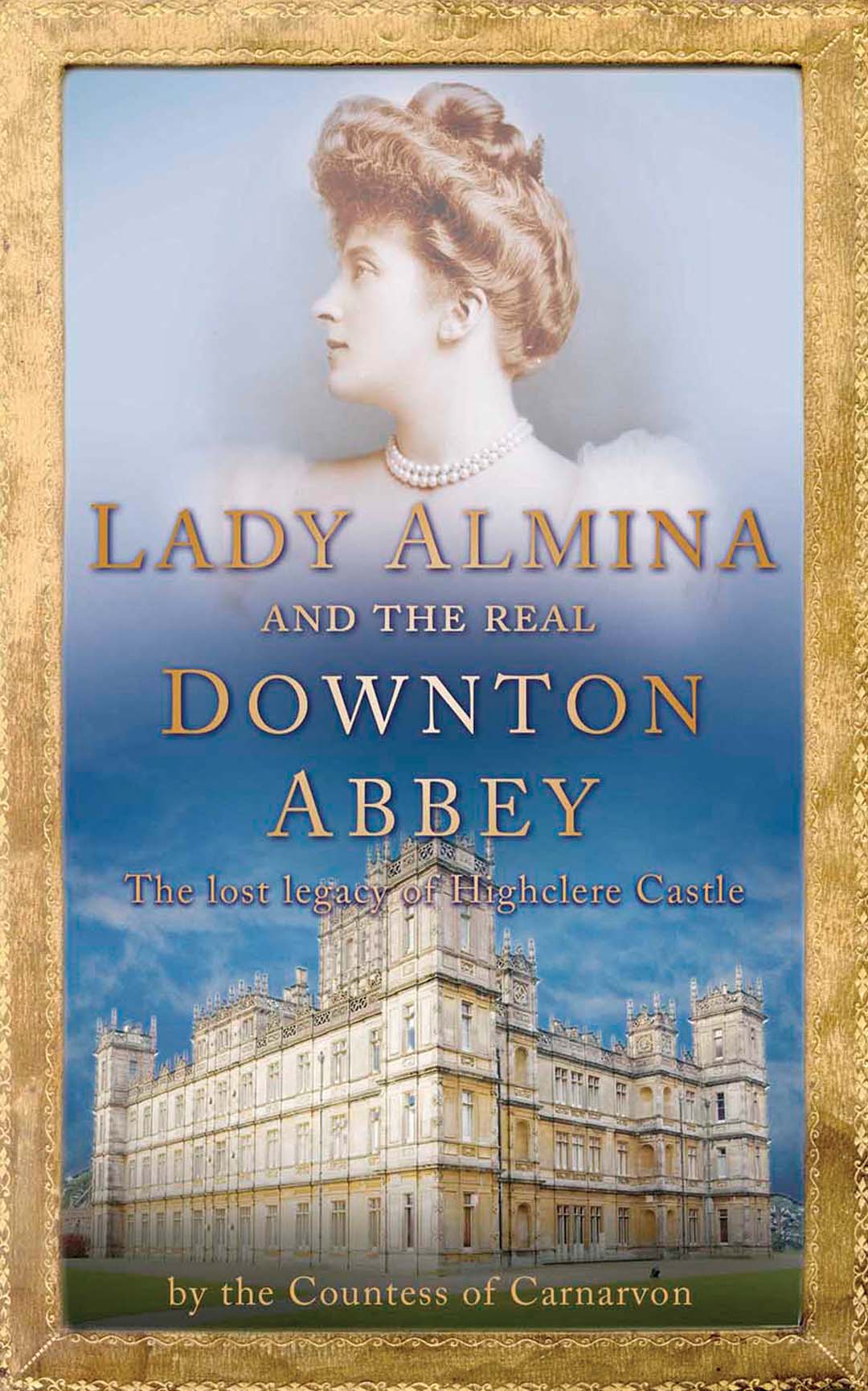
Lady Almina and the Real Downton Abbey is not the only book that Lady Carnarvon has written. She followed that book with Lady Catherine, the Earl, and the Real Downton Abbey, the true story of her husband’s American grandmother, her life with the 6th Earl of Carnarvon, and the continuing saga of maintaining the ancestral home. In addition, the current countess has written lifestyle books featuring Highclere, including At Home at Highclere and Seasons at Highclere. Her most recent book, published in December 2022, is The Earl and the Pharoah, which focuses on the husband of Lady Almina, the 5th Earl of Carnarvon, who financed the expedition and excavation of King Tutankhamun’s tomb. Lady Carnarvon drew from Highclere’s archives to tell the tales of the triumphs and tragedies of this event in the year of its 100th anniversary.
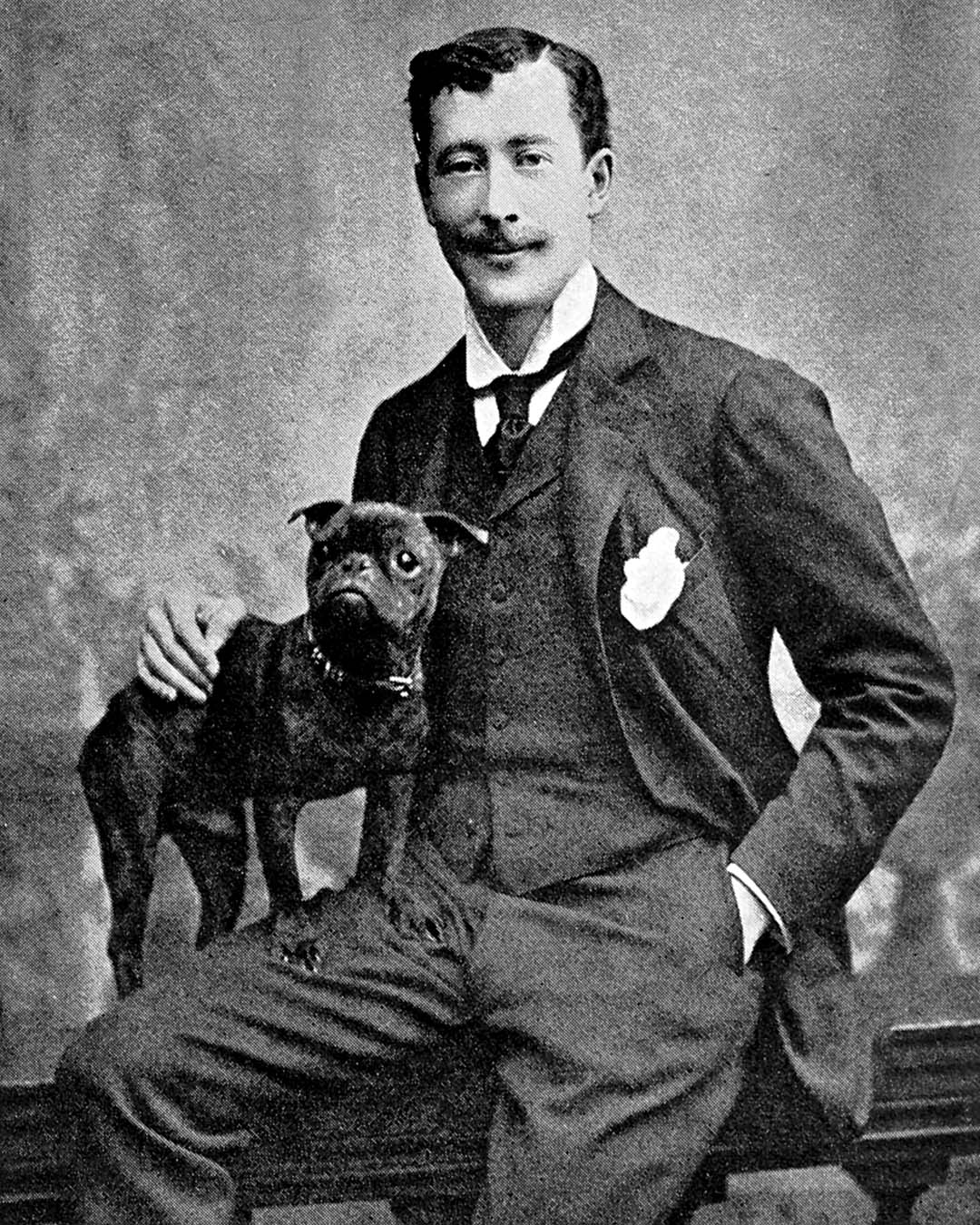
Aside from dedication to the research and writing of her latest book, Lady Carnarvon and her husband are happily welcoming guests to Highclere Castle. The afternoon teas and other events have been booked solid, much due to pent up demand as well as the inviting hospitality visitors receive at this country estate. Per the present-day Countess of Highclere, it’s not just about Downton Abbey. She and her family and staff work to “tell a story,” one that includes history, relationships, and legacies.
Asked if she sees any parallels between the homes of the Gilded Age and the country estates such as Highclere/Downton Abbey, she feels a comparison is difficult. Looking at the estates one can view on Newport’s Belleview Avenue, Lady Carnarvon comments that these mansions are under 200 years old and represent a snapshot of a specific era in history, whilst she lives in a home whose origins began over a thousand years ago.
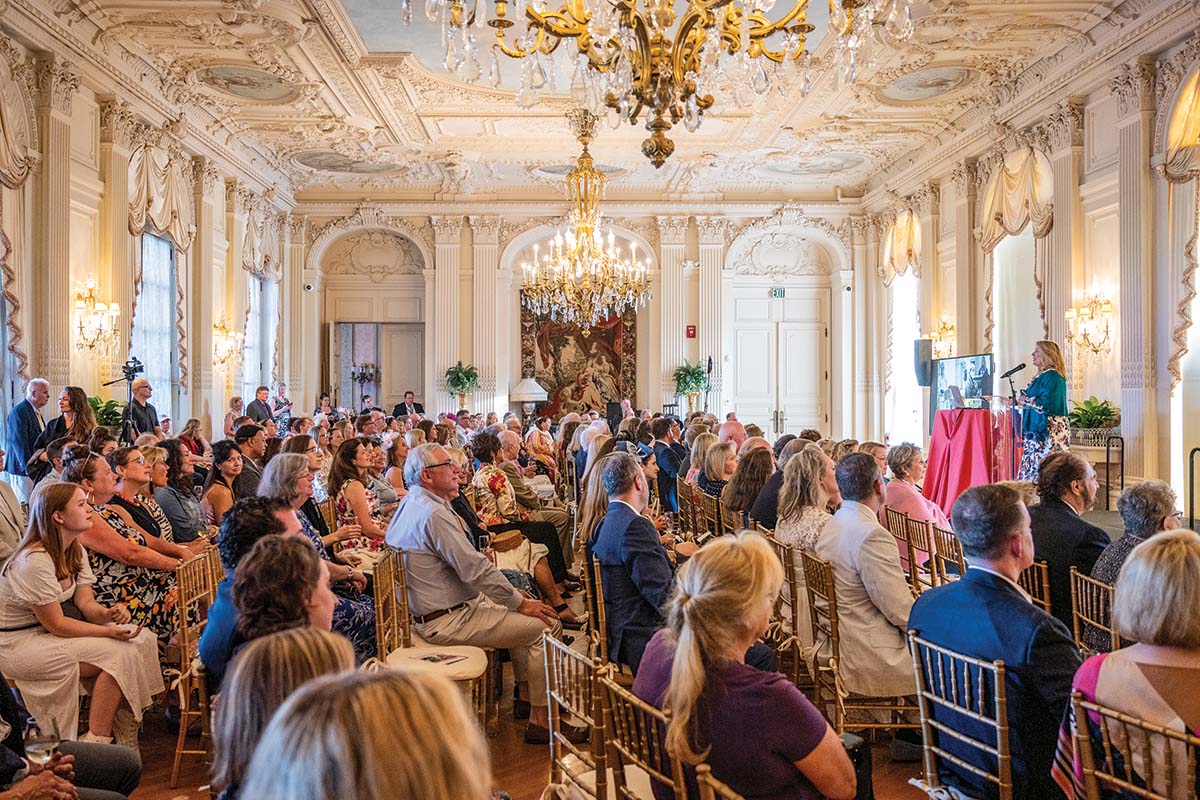
There are, indeed, differences that span centuries, but the common connection lies in the homes’ abilities to weave a tale that draws us in and holds our collective imaginations. When the Countess of Highclere comes to visit the Gilded Age “cottages,” there’s most assuredly tea to spill and a story to tell.