Text by Katherine Ellis
Photography Courtesy of Mizuba Tea Company
Lauren Purvis, owner and founder of Mizuba Tea Company, has respected the art of tea since the young age of 11. With a doctor for her father and a horticulturist for her mother—both proper foodies—the tea company owner was raised in Santa Barbara, California, in an environment that celebrated food and flavor. From fourth grade on, Lauren’s mom would prepare a mug filled with Bigelow’s Constant Comment tea for her daughter each morning, and they would enjoy a cup of tea together. Only in retrospect could the female entrepreneur truly understand how formative this daily ritual would be to her future vocation. “As you drink a cup of tea, what gets a spark in my eye [is that] it’s never the same experience,” Lauren explains. “You can brew the same tea over and over again, one degree of difference, and you get an entirely different experience. You’re meeting different characters every time in your cup. That captivated me in a way that I couldn’t give words to back then.”
Throughout high school and college, Lauren’s admiration for all things tea continued to grow, with the surrounding community feeding her passion. She received packages of tea as graduation gifts, and friends would frequent her collegiate dorm room at Westmont College for what she would call “tea pop-ups.” “I threw a blanket on the ground—very Bohemian—and I would brew tea for people,” Lauren recalls. “It became such a thing with my friends that someone anonymously put a sign on my door reading ‘Lauren’s Tearoom.’”
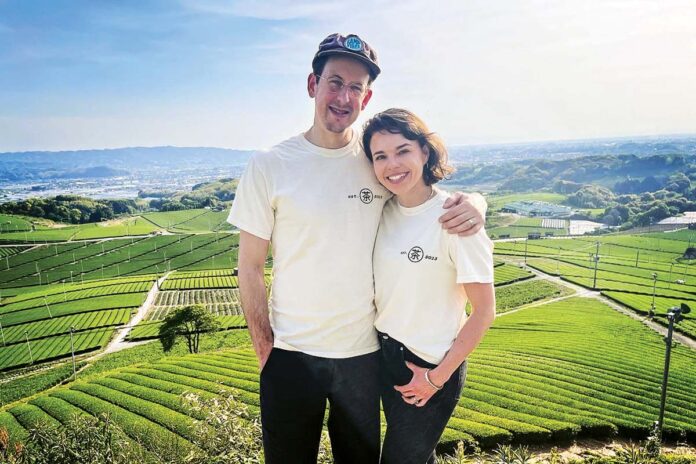
In 2013, Lauren’s senior year of college, she was bestowed with the exciting opportunity to travel with her dad to visit a friend in Japan. It was the first time that the 22-year-old had been to an origin country for tea, and to say that she was elated was a great understatement. While there, Lauren was shocked to discover that the cheapest tea on the lowest shelf in a grocery store was “20 times better than anything I’d had in America before.”
As the adventure progressed, it seemed that everywhere she went, tea found a way to show up. “While on a train, my dad pulled out his guidebook to see what station we had stopped at, and it said, ‘Uji, birthplace of tea,’” Lauren remembers. “We jumped off the train [there]. Every little shop was filled with tea things. I fell in love with [the town].” It was in Uji where Lauren serendipitously connected with a matcha producer. “It didn’t matter that we didn’t speak the language,” Lauren says. “Somehow, we were able to connect and build relationships over tea. I was touched to see that on a societal level and wondered how I could live that out more.”
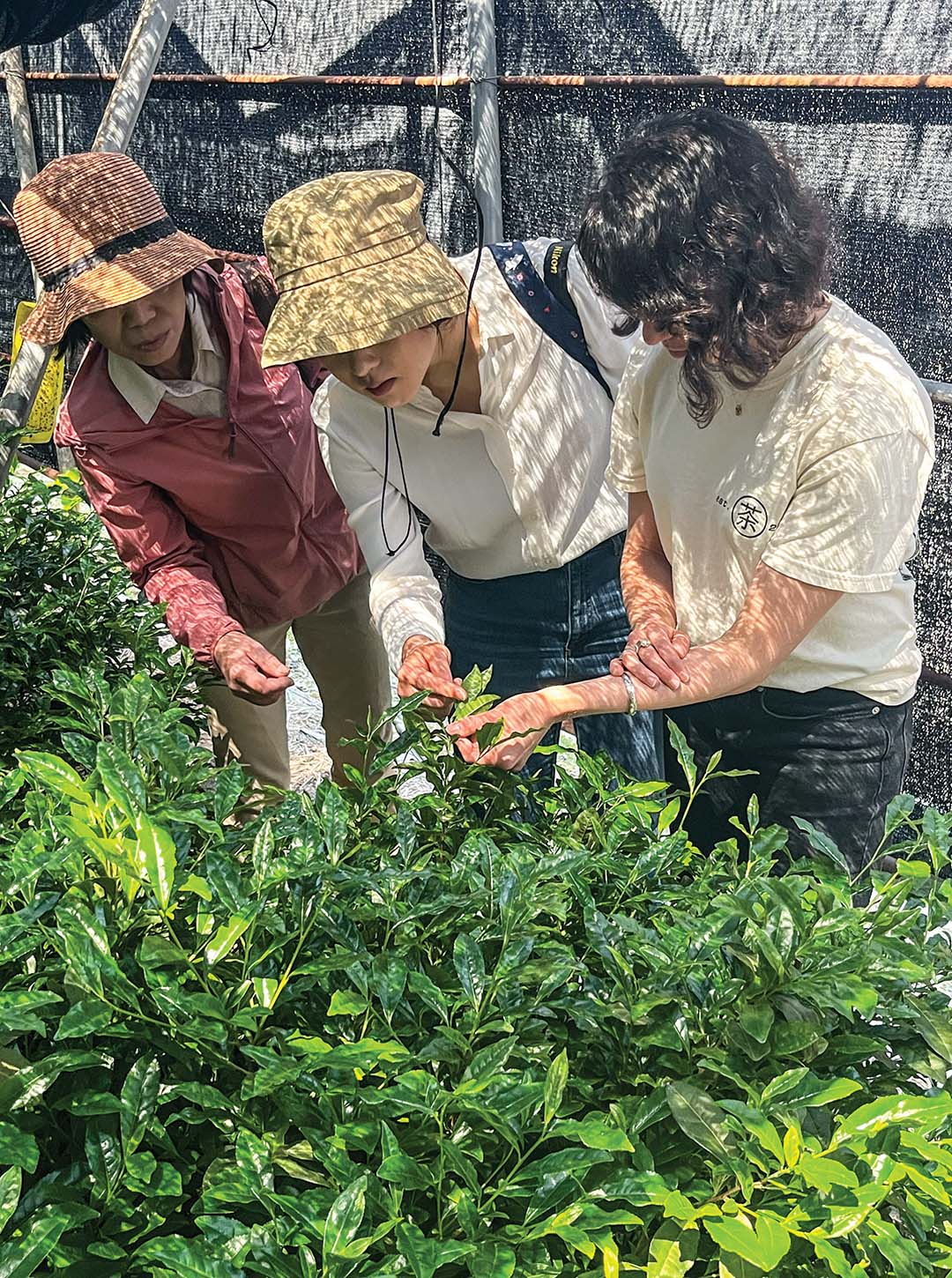
Upon returning home from her travels and soon thereafter starting graduate school for publishing, Lauren continued to dream about the possibilities of a career in the tea industry while communicating back and forth with the aforementioned producer. One week after graduating the program, Lauren received a life-changing email from him asking if she could sell his tea in America. While Lauren jokes that she doesn’t quite remember officially saying “yes” in response to that message, Mizuba Tea Company was born in that moment. (Mizuba loosely translates to “living water” in Japanese, which Lauren believes is the source of life both spiritually and physically.)
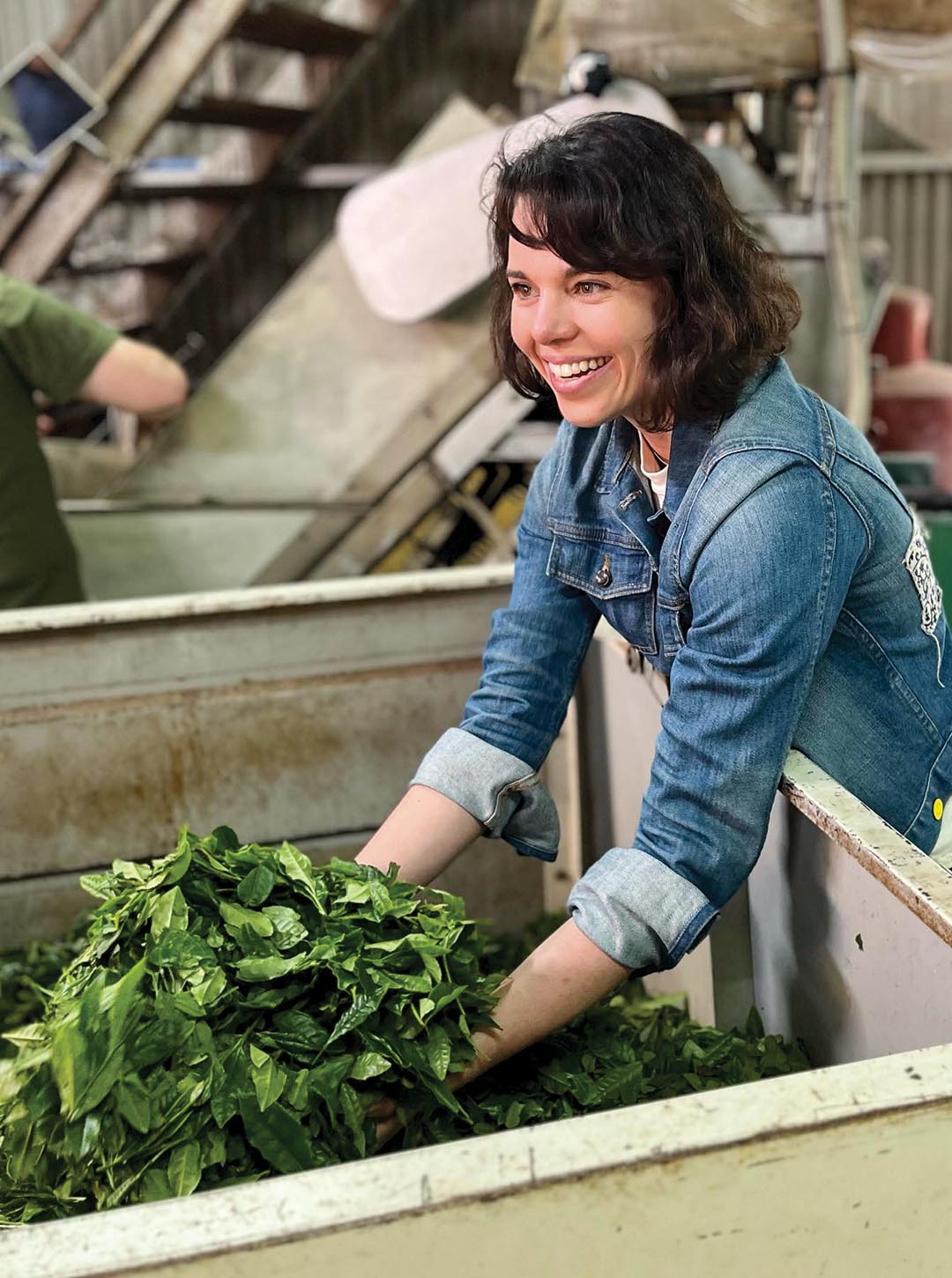
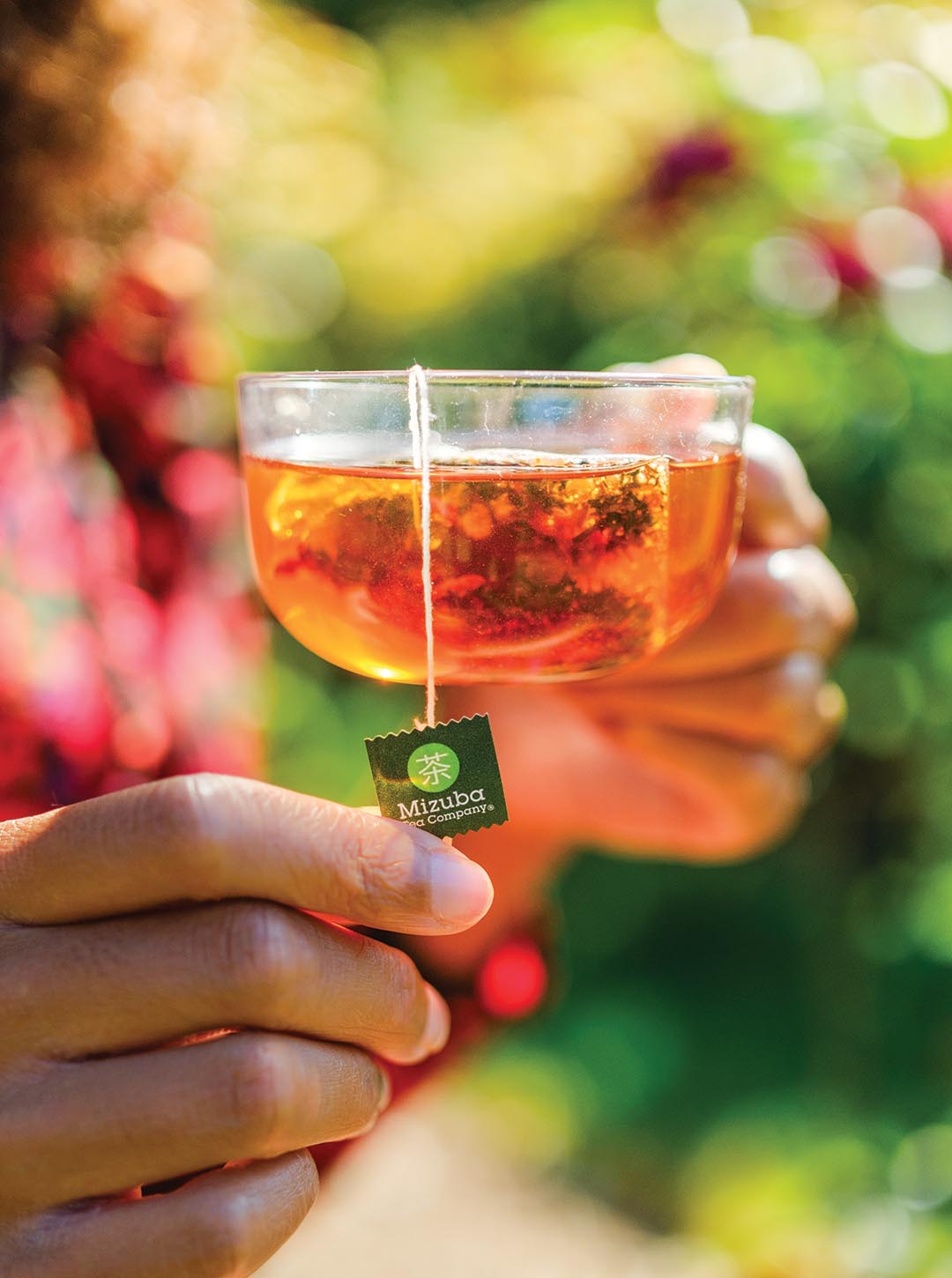
Fast forward to today, more than a decade later, Mizuba is now headquartered in Portland, Oregon, where Lauren runs the growing company alongside her husband, Dan—who owns his own tea venture, Herald Tea. Mizuba’s inventory has since expanded beyond matcha to Japanese loose-leaf options, though the prized green tea powder still reigns supreme in sales. Several refreshing sencha varietals are available alongside classics—gyokuro, tencha, hojicha, and genmaicha—and some unusual selections for Japan, such as oolong and pu-erh, among others. Some of their teas are now additionally accessible in convenient sachets. Mizuba’s tea hails directly from farmers in Uji, Yame, Shizuoka, and a few other places around the country. Because of Lauren’s unforgettable voyage to Uji and the fact that matcha was first produced in the tiny town, it only makes sense that Mizuba would specialize specifically in matcha from that region.
Their high-quality matcha is shade-grown for four weeks before harvest and stone-milled into a fine powder, which produces a beautiful and subtle roasted note from the heat and friction in the process. “The thing I work on the most is how to present and make matcha well so that people can have wonderful experiences,” Lauren explains. “There are two things you need: quality (a little goes a long way), and do not boil your water. The cooler the water, the sweeter your tea will be.” Because matcha can become bitter if inferior quality powder is used and/or if prepared incorrectly, it tends to be a polarizing beverage among tea folk.
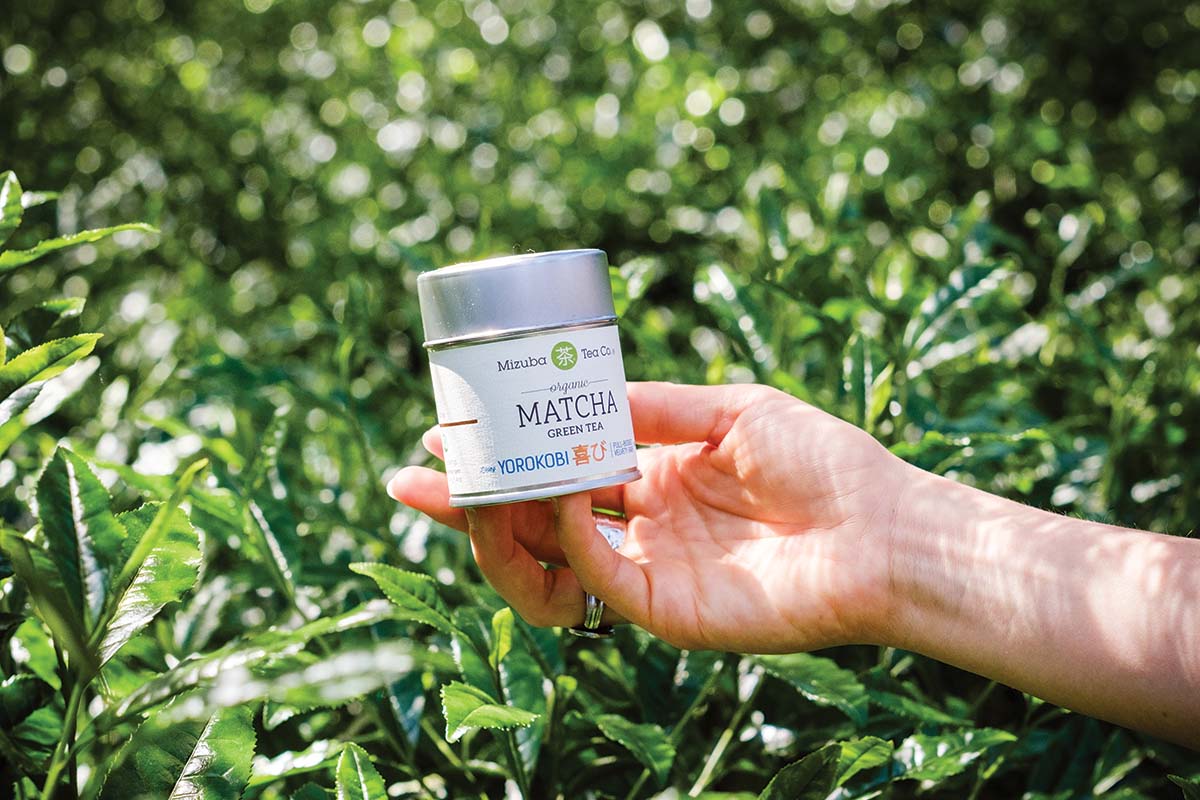
For those who are interested in trying matcha for its health benefits or purely out of curiosity but are a bit intimidated, Lauren suggests beginning with Mizuba’s Daily Matcha Green Tea (light aromatics of toasted vanilla and milky notes of freshly churned butter) or Culinary Organic Matcha (full-bodied and fresh with a lush creaminess balanced by grassy sweetness). People with a sweet tooth should consider adding honey or a simple syrup to the tea to make the vegetal taste more satisfying. Whether the green beverage is taken plain, with milk in a latte form, or chilled in a simple mixture of 1 teaspoon of powdered tea shaken with cold water in a Mason jar and poured over ice (Lauren’s personal favorite), the world of matcha is vast and flavorful. But the versatility doesn’t stop there. The treasured Japanese tea is also wonderful for gastronomic applications. Incorporating matcha into cookies, cakes, scones, condiments, and other foods infuses delicious flavor and verdant color to recipes and can add interest to any afternoon tea.
“It’s been the greatest gift of my life that the farmers entrust us with what they dedicate their lives to,” Lauren shares candidly. “It’s our job to steward that integrity from the field to the cup.”
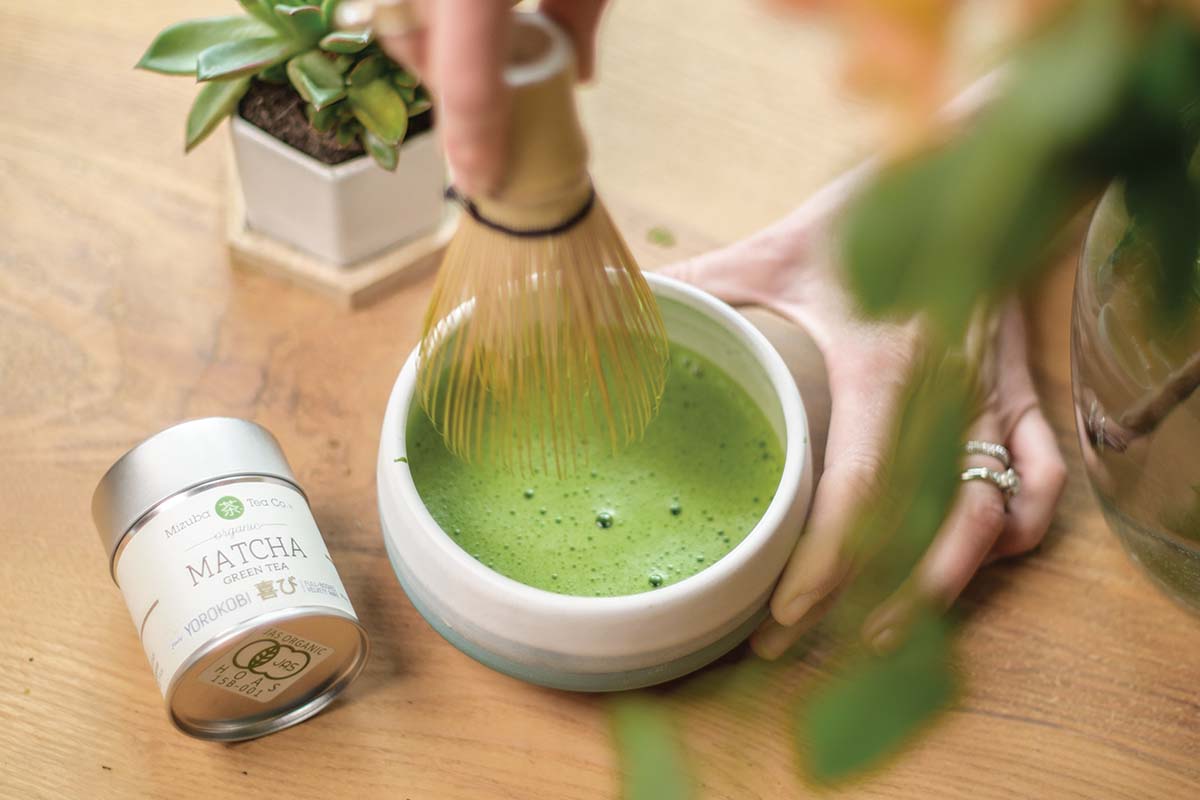
Seasoned matcha drinkers and novices with an insatiable thirst for trying new things are sure to find that Mizuba has graciously paved the way for excellent Japanese teas to find a welcome home here in America. Memorable experiences await with just a whisk and a little green powder.
Mizuba’s products are served in cafés, coffee shops, and tea shops across the United States and can be purchased online at mizubatea.com.