Text by James Norwood Pratt • Photography Courtesy of Bill Todd
A genuinely rewarding relationship in Forest Park, Illinois
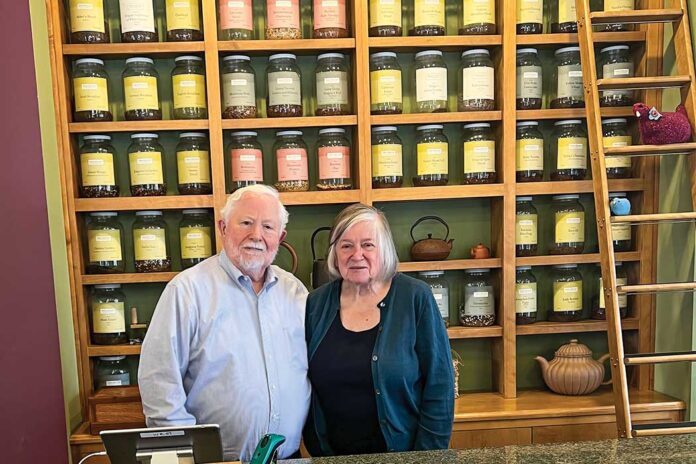
The Tuckers farmed 250 acres 30 miles outside of Peoria, Illinois, raising oats, corn, soybeans, hay, and cattle. Janet Tucker amazed the family when she brought a city boy home from the University of Illinois to meet them, and he amazed them further. He recited the Gettysburg Address in the feedlot, and the cattle gathered around to listen. Then he and Janet flew back to school in a single-engine plane. Janet’s mother made her swear she “knew how to land that thing” before allowing him to fly her to Chicago to meet his family.
“I’d seen Bill do it, so I told her I knew how,” Janet admits. You might say they’ve flown together ever since. After college, they went to Peru for two years as members of a church mission. Janet kept house for linguists who were translating the Bible into indigenous languages, and she tutored their children, while Bill served as a flight coordinator for pilots who landed on rivers in the Amazon jungle. By Peoria standards, it was a long, strange courtship by the time they were finally married in 1967, a few short months before Bill was drafted into the US Army. Luckily for them both, Bill soon became driver for the base commander of Fort Lee, Virginia, and was allowed to live off-base with Janet, who spent their hitch arranging parties for the base officers. Thanks to his MA in finance, Bill then landed a job as a stockbroker for Smith Barney in New York City, where Janet miraculously secured a tiny apartment for them at East 75th and Fifth Avenue across from the Frick Museum. By 1970, they were back in Chicago, and this time, Bill’s lucky stars brought him a “small” seat on Chicago’s famous Mercantile Exchange, dealing in commodities. He loved the action on the trading floor, and they enjoyed the two children and the comfortable life it afforded them. Eventually, however, the children went away to school, computers began replacing human traders in the commodity business, and Bill sold his seat on the Exchange. It was time to start a new life.
“A tea business?” Janet exclaims. “You should have heard some of his other ideas!”
After much consideration, they turned to tea in order to make a new life for themselves that was rewarding in more ways than one. This “road less traveled” offered work they could do together, relationships with others they could share, a product and profession they could take pride in, and the promise of lots of quiet satisfaction along the way. They realized that America was at the start of a tea renaissance and that they were not so alone in their love for fine teas, but they also knew they would have to find their own way forward.